If you are looking for healthy prebiotic foods for gut health, I’ve got you!
Nowadays, everyone is concerned about their gut health, and it is so obvious! To live a healthy life, gut health is so important in this busy, hard world. And for gut health, you need a strong immune system to promote effective digestion, improve mood, better sleep, and more.
Prebiotic foods are healthy, and adding them to recipes makes meal prep so simple. They nourish the beneficial bacteria in our gut and improve our overall digestive health.
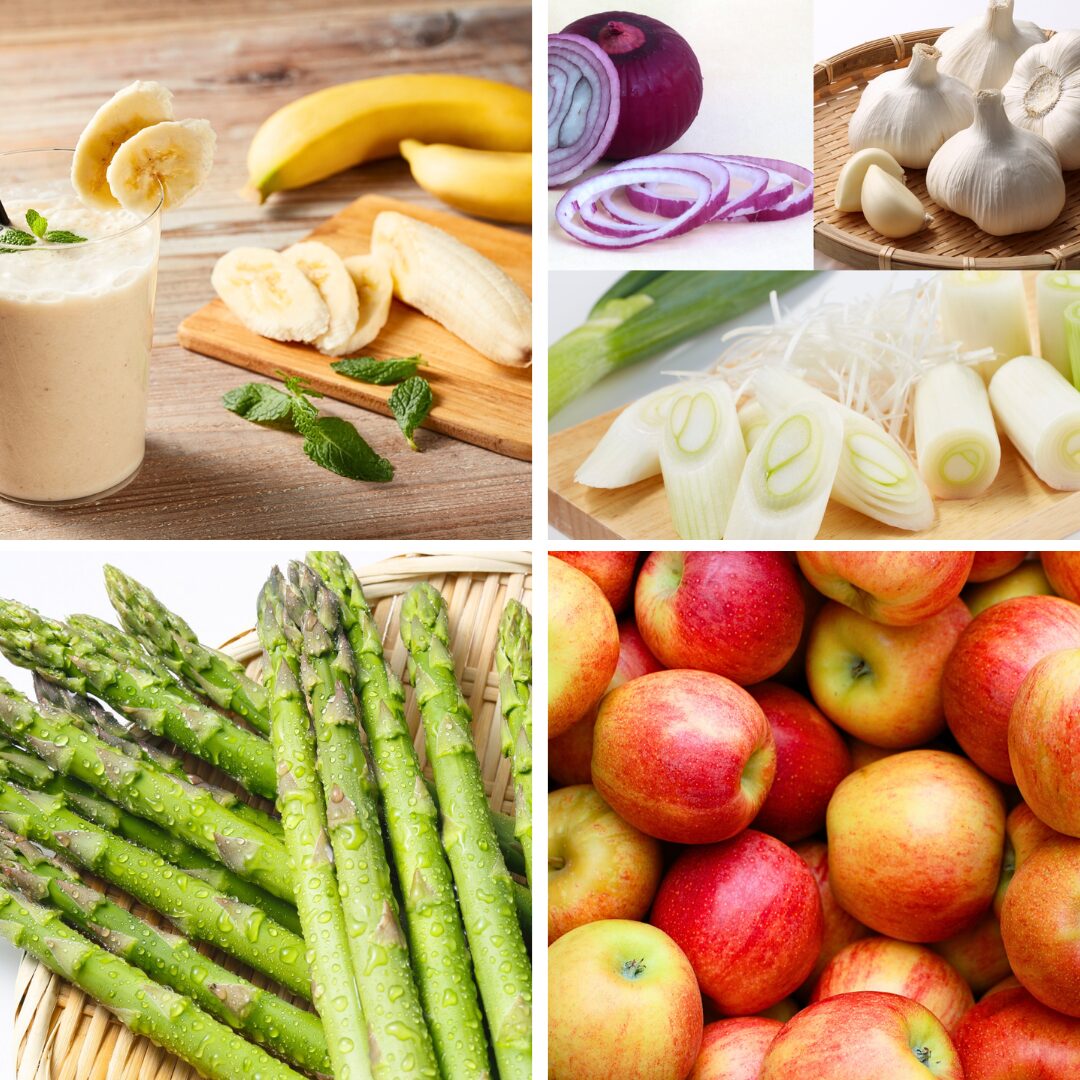
Some of the most popular prebiotic foods to help your gut health include whole grains, apples, bananas, legumes, onions, garlic, leeks, asparagus, flaxseeds, Jerusalem artichoke, and chicory root.
Want to know more about prebiotic foods and why they are so important to eat? Let’s dive into it.
Check out, which fermented foods help your gut health
What Are Prebiotic Foods?
Prebiotics are a type of indigestible dietary fiber that feeds the good bacteria living in your gut. Think of prebiotics as “food” for your healthy gut bacteria.
The interesting part is that probiotics grow beneficial bacteria and prebiotics, then provide nutrients or food for those beneficial bacteria. It means whenever you eat prebiotic fiber foods, your body cannot fully digest them properly.
So it travels to your intestines, where good bacteria use it (your gut health bacteria break them down through a fermentation process) for energy and growth.
This fermentation process produces short-chain fatty acids that keep the colon healthy, balance blood sugar, and influence brain neuroplasticity. And those healthy bacteria become stronger, your digestion and overall health can also improve; they are often taken to boost probiotics.
I’ve listed a few healthy prebiotic foods below that help your poop and support your gut health. But I personally love to add bananas to an oats smoothie for breakfast in the morning regularly. After a few weeks, I notice that it feels full and heavy for a long time.
Probiotics Vs Prebiotics Foods
Many people are confused about prebiotics and probiotics because, although the two words sound similar, their mechanisms of action are different.
Prebiotics are fiber-rich foods that feed your healthy gut bacteria.
Probiotics are live good bacteria found in fermented foods and supplements.
A simple way to remember it:
Prebiotics = food for good bacteria
Probiotics = the good bacteria themselves
It’s a bit like gardening. Probiotics are the plants, and prebiotics are the fertilizer that helps the plants grow.
Check out 10 amazing probiotic foods for your gut health.
Health Benefits of Prebiotic Foods
1. Supports Better Digestion:
Digestion is the biggest issue for now. People want relief from bloating, acid, or gas. So they eat healthy, natural prebiotic foods to support digestion. Prebiotic fiber may help to grow healthy bacteria in your gut to improve bowel regularity and reduce occasional bloating.
I even noticed that when I stopped eating enough fiber-rich foods for a few days, my stomach felt so bad, and I experienced increased bloating, gas, or acid. Adding fruits, oats, and vegetables back into meals usually helps naturally. Try these amazing high fiber foods to improve your digestion.
2. May Improve Gut Microbiome Balance:
Your gut produces and contains trillions of bacteria. But some of them are good and helpful, some are bad. Prebiotic foods help nourish the good bacteria, which helps maintain a healthy balance in your gut microbiome.
And your healthy gut microbiome may support digestion, your immune health, nutrient absorption, and overall wellness.
3. Make You Feel Fuller Longer:
Eating prebiotic foods helps you to feel full for a long time. This is one reason why many people add fiber-rich foods to their balanced eating habits.
4. Supports Immune Health:
A large part of your body’s immune system is connected to the gut. So if you eat healthily, your gut will say “Thank You” every day to you. Your gut health good bacteria can help protect the immune system and overall health of the body.
5. Reduce Sugar Cravings:
This surprised me personally because when I started eating a more balanced diet, including fiber-rich foods like oats and fruit, I noticed that my cravings for something light in the evening suddenly decreased.
Everyone’s experience may be different, but many people say that fiber helps them feel more balanced throughout the day.
Now let’s take a look at which foods really help with gut health and digestion.
1. Jerusalem Artichoke
Jerusalem artichokes are one of the richest prebiotic fiber foods that contain natural sources of inulin, along with minerals, vitamins, potassium, and iron.
Also, it supports healthy gut bacteria, weight management and glucose control. But you can call it “sunchokes” too.
I roasted it once with olive oil and garlic, and honestly, it tasted much better than I thought it would. It was soft on the inside and slightly crunchy on the outside.
2. Legumes
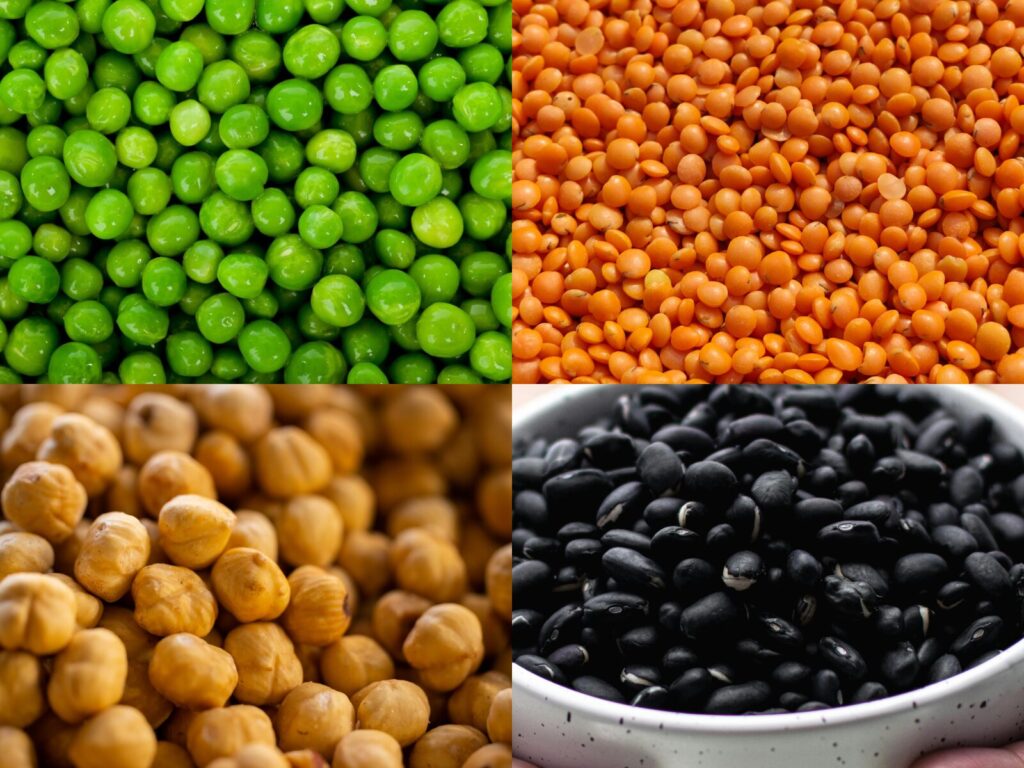
Legumes are high-protein foods like lentils, chickpeas, black beans, and peas that are loaded with fiber and natural prebiotics that support digestion and gut health.
Not only that, but they also contain nutrients like manganese, potassium, folate and are high in iron foods as well.
I love eating healthy protein and high fiber foods like lentils to add to soups or curry with rice or other meals.
It makes me full for a long time and you can try chickpeas in salads, blend beans into dips or add black beans to rice bowls, whatever you like.
Related: 7 High fiber vegetables for constipation
3. Onions, Leeks, Scallions and Garlic
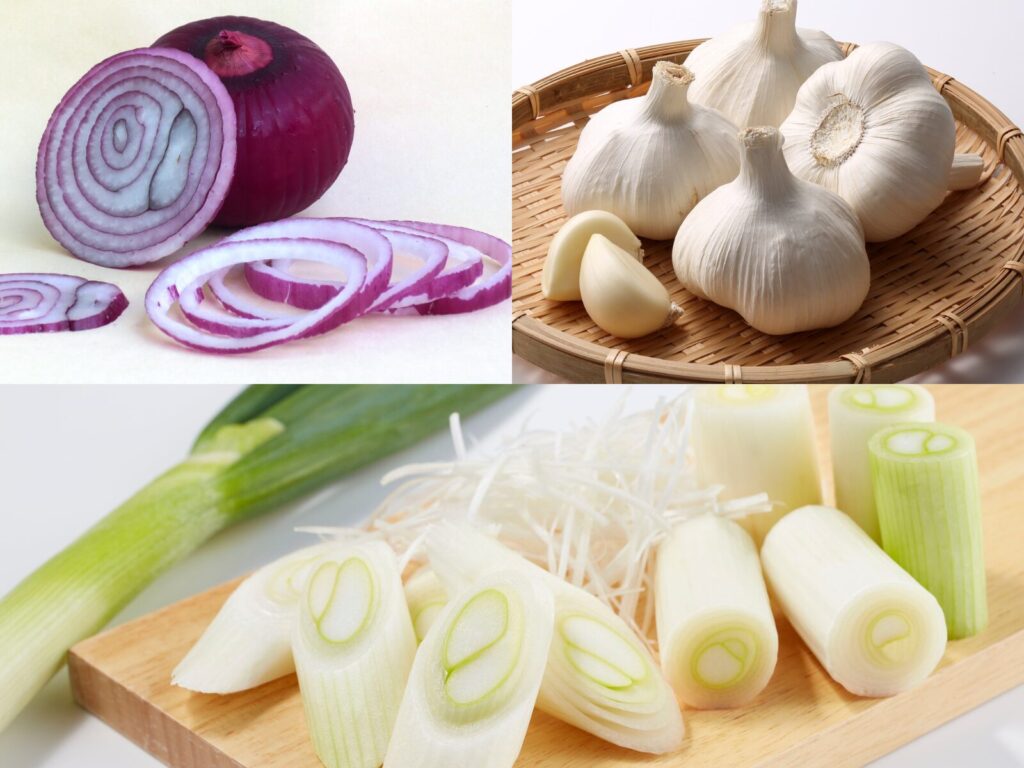
These vegetables – onion, leeks, scallions and garlic are healthy, natural prebiotic foods for gut health. They contain prebiotics like flavonoids that positively impact our gut microbiota and support immune function and metabolism.
Garlic is one of the best foods for digestion and is rich in antioxidants, vitamin C, and selenium, while scallions are packed with anti-inflammatory antioxidants as well as fiber and vitamin C. And has lots of health benefits.
Honestly, almost every home-cooked meal tastes better when you add garlic and onions to it. Even after adding onion or garlic to a simple fried rice or soup, the dish will become more delicious.
4. Bananas
Banana is one of my best-ever high fiber prebiotic foods that I eat daily for breakfast. These banana recipes make me crazy when I try them out at home.
It contains resistant starch, which acts as a prebiotic and helps gut bacteria. Whenever I need some snacks or my stomach feels sensitive, a banana is the go-to healthy snack option that helps me out.
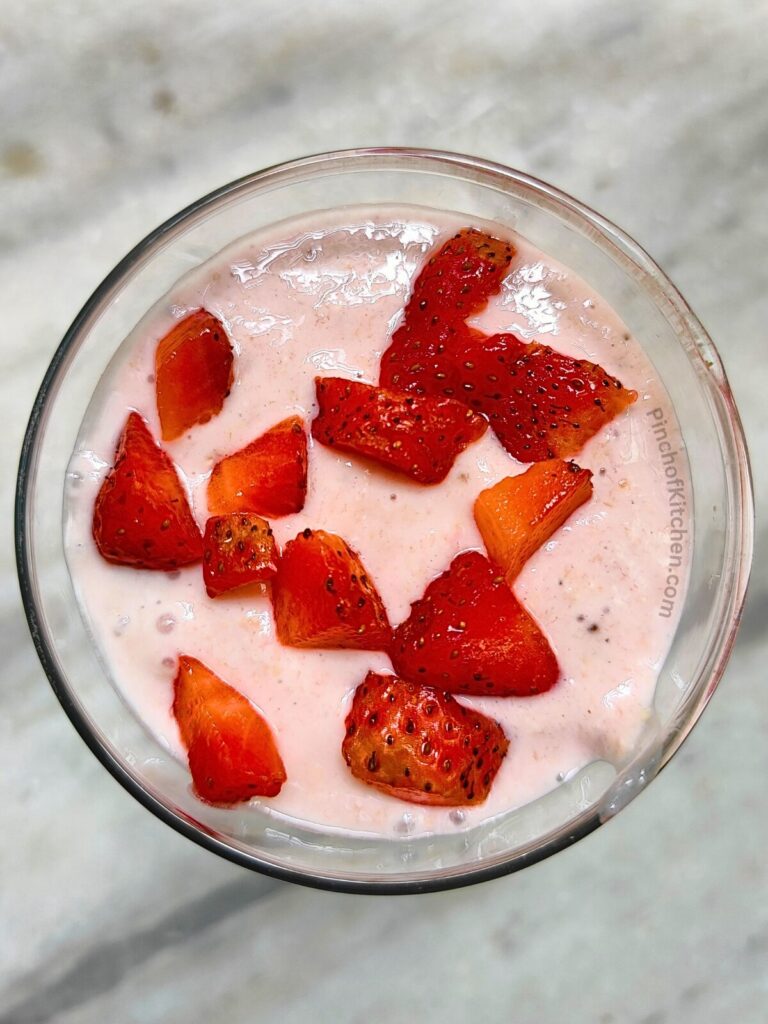
You can take a banana for breakfast, like in a smoothie (strawberry banana oat smoothie), or on pancakes, muffins, cakes, or take it as a snack like banana chips, or even take it as a dessert.
Also try: 15 No cook high protein snacks
5. Dandelion Greens
Dandelion greens are healthy, inulin fibre-packed food that contains lots of vitamins and minerals such as magnesium, phosphorus, calcium and vitamin C and K.
Also, it is loaded with anti-inflammatory properties, increases good gut bacteria and supports digestion.
The first time I tried this, it tasted so bad, maybe a bit bitter and mixing them into salads with lemon dressing made them taste fresher and more balanced.
6. Whole Grains
Whole grains – oats, barley, quinoa, brown rice have high fiber content that feeds healthy gut bacteria.
Oats are one of the most popular and amazing high in soluble fiber foods, as gut bacteria ferment the soluble fiber in oats, which can produce beneficial short-chain fatty acids in the colon and potentially reduce LDL (bad) cholesterol.
These whole grains are the best way to keep your gut healthy and easy to poop in the morning, and also helps for digest.
7. Chicory Root
Chicory root is another excellent source of inulin fiber that improves digestion, bowel function and relieves constipation.
Chicory has potassium, calcium, magnesium, selenium, and zinc.
It is often used as a fiber supplement and a caffeine-free coffee substitute. But it’s different from regular coffee, and surprisingly enjoyable.
Also try these amazing high fiber foods that helps to relieve constipation naturally.
8. Apples
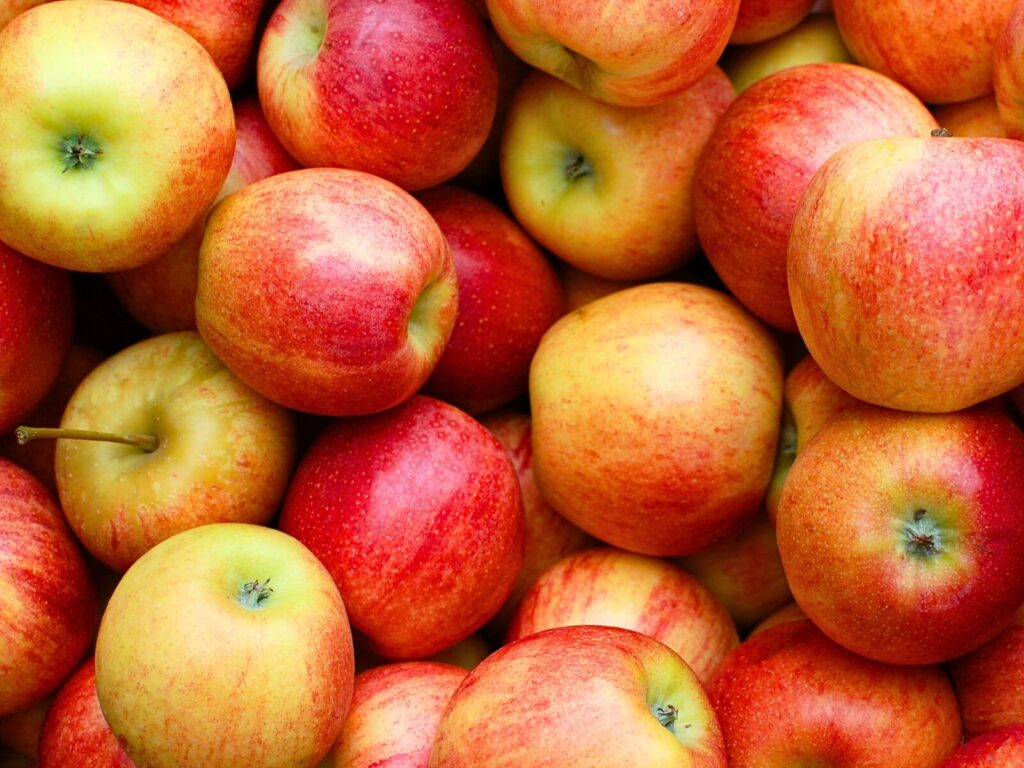
Apples are one of my best fiber foods that I love to eat for breakfast daily. Apples contain pectin, a type of fiber that acts like a prebiotic and may help support healthy digestion.
An apple with peanut butter is one of my favorite afternoon snacks, but adding an apple to my breakfast yogurt bowl makes me full and refreshed in the morning.
9. Asparagus
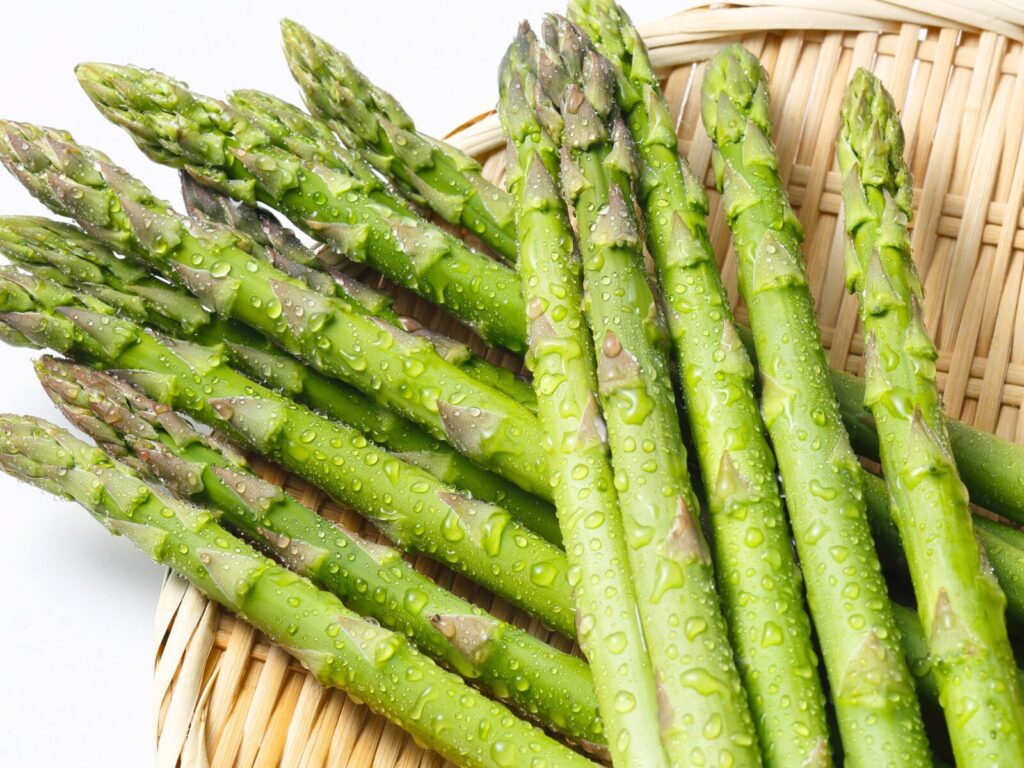
Asparagus is a healthy vegetable that is rich in prebiotic fiber and works well in simple healthy meals.
I usually cook it with olive oil, salt, and garlic, because it takes less than 15 minutes and goes well with almost anything. Make a salad with it or sprinkle some chopped parsley on stir-fries.
10. Flaxseeds
Flaxseeds are healthy superfoods for digestion, packed with both soluble and insoluble fiber, has beneficial plant compounds called lignans.
These lignans act as a natural laxative that promotes bowel regularity and feeds good gut bacteria.
Add it to the water to form a gel-like consistency that helps to soften stools and relieve constipation.
Also, you can add it to smoothies, in your hot or cold breakfast cereal, and you can even add on the muffins, cakes, cookies or breads.

Hi, I’m Priyanka! I am the owner of Pinch of Kitchen. I have been an author, content developer, and professional blogger for a few years. Pinch of Kitchen shares simple food tips, ingredient guides, high-protein meals, and budget-friendly recipes to help make everyday meals easier and more enjoyable.