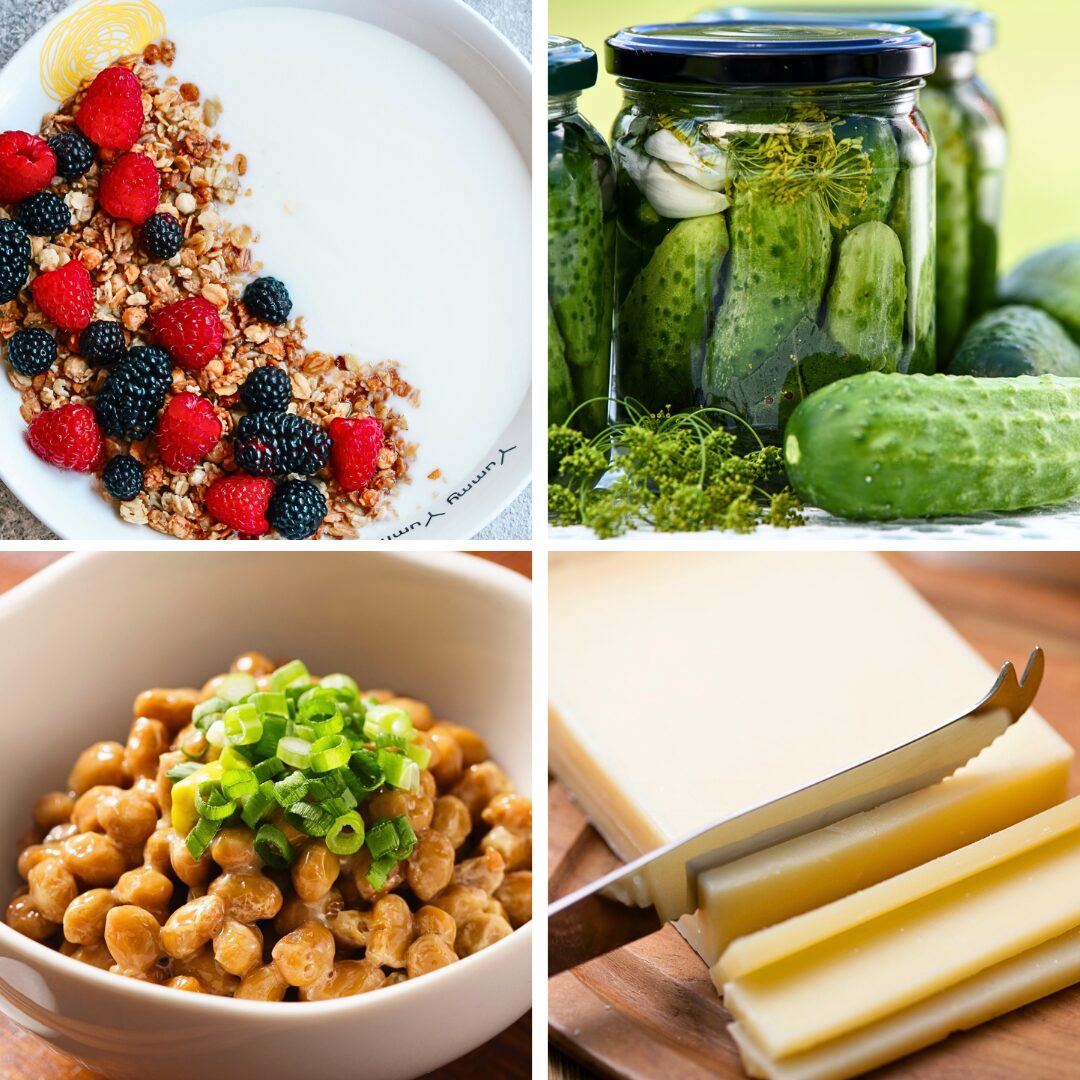
Have you ever felt heavy after a meal, or suffered from occasional bloating, acid reflux, or gas? Or simply wanted to relieve from these uncomfortable health issues or improve your digestion? Here I share some healthy probiotic foods for your gut health that are natural and don’t require taking medicine or supplements.
A simple way to keep your body healthy is to include probiotic-rich foods in your daily diet.
Probiotic foods contain beneficial bacteria that help maintain intestinal balance and promote gut health. Fortunately, many probiotic foods are completely natural, easily accessible, and quite delicious.
What Are Probiotics?
‘…live bacteria and yeasts that are good for your health, especially your digestive system. We usually think of these as germs that cause diseases. But your body is full of bacteria, both good and bad. Probiotics are often called “good” or “helpful” bacteria because they help keep your gut healthy.’ (WebMD defines)
Eating living foods or any supplements is really awkward and strange, but having probiotics is very important in our daily lives. It helps your body’s immune health, decreases any inflammation, enhances digestion, and increases energy levels. The role of probiotics is far more significant than we realize.
The right balance of these beneficial bacteria can help maintain proper gut function and improve overall health.
Suggested: 10 Best Prebiotic Foods to Help your Gut
Probiotics vs. Fermented Foods: What’s the Difference?
Many people believe that probiotics and fermented foods are the same thing, even I also think that so. But there is actually a difference between them.
Probiotics are beneficial live bacteria that provide you with various health benefits when consumed in the right amounts.
They are effective in addressing specific health issues, such as alleviating Irritable Bowel Syndrome (IBS), aiding physical recovery after taking antibiotics, or boosting the immune system.
Common examples include yogurt (to which specific, lab-tested bacterial strains have been added), probiotic-rich foods, and dietary supplements (capsules or powders).
Fermented foods are produced through a natural process in which microorganisms break down sugars and starches. While this process can generate probiotics, not all fermented foods necessarily contain live probiotics at the time of consumption.
To know more, you can check out 8 best fermented foods for your gut health.
In simple terms:
- Probiotics are beneficial bacteria.
- Fermented foods are foods produced through the fermentation process.
- Some fermented foods contain probiotics, while not all.
Therefore, although the two are closely related, they are not exactly the same thing.
What Are the Health Benefits of Probiotics?
1. Supports digestive health: To relieve gas or bloating, probiotic foods can help to balance the digestive system. Also making it easier for the body to digest food and absorb nutrients. Besides, you can try these healthy high fiber foods to improve your digestion.
2. Helps maintain gut bacterial balance: Your gut contains lots of bacteria. Probiotics help maintain a healthy balance between good and bad bacteria, which is essential for overall gut health.
3. Supports the immune system: There is a large part of your body’s immune system connected to the gut. Probiotic foods help maintain a healthy gut environment, which can contribute to the proper functioning of the immune system.
4. Can help you feel comfortable after eating: Probiotic foods are working smoothly for your digestive system. No gas, bloating or acid will increase after taking a meal, they will reduce inflammation and feel comfortable and healthy experience better digestive well-being.
5. Supports Nutrient Absorption: Probiotics create a healthy environment in your gut, which can support the body’s ability to absorb essential nutrients from food.
Let’s drive into these healthy Gut healthy probiotic foods that are important for your daily life –
1. Yogurt
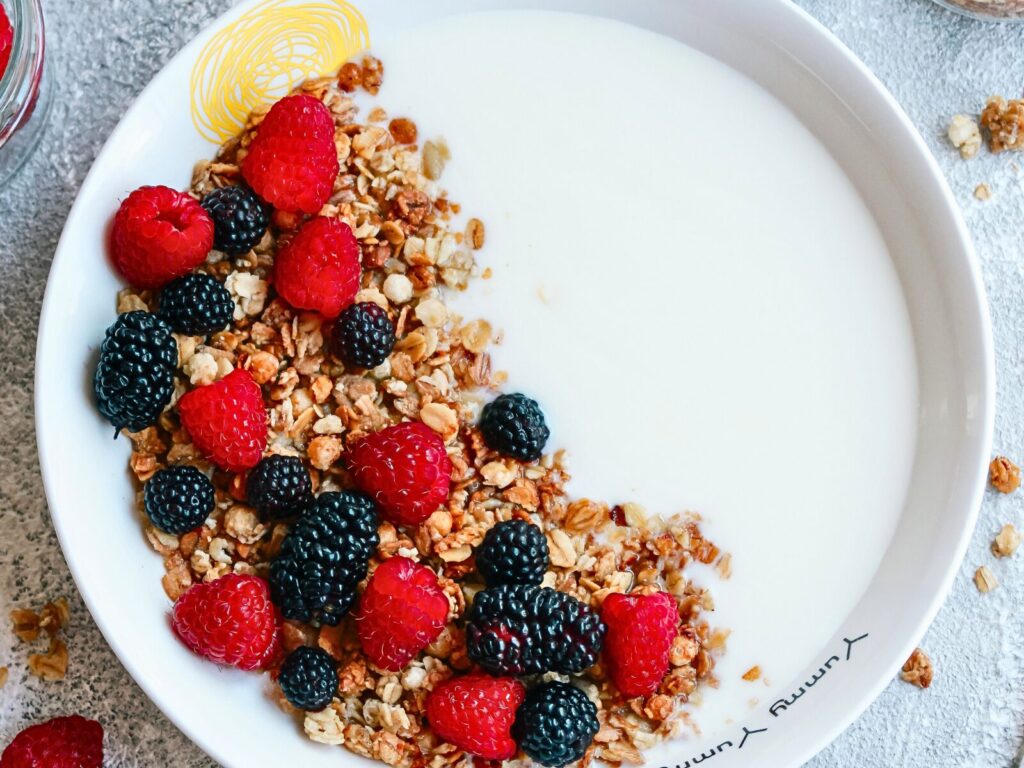
Yogurt is one of the most popular probiotic foods that I love to eat so much and an excellent choice for beginners. It is made by fermenting milk with beneficial bacteria, which naturally helps support gut health.
Yogurt contain vitamin B12, riboflavin, and potassium that support energy production and normal body functions.
Also yogurt is high protein rich foods and provide calcium that strengthens bones and teeth, while the phosphorus and magnesium it contains work together to promote bone health.
It is an amazing healthy probiotic foods that help maintain a healthy digestive environment. You can eat it with smoothies (Strawberry banana oat smoothie), as breakfast or snacks.
More: 10 High fiber foods for constipation
2. Raw Cheese
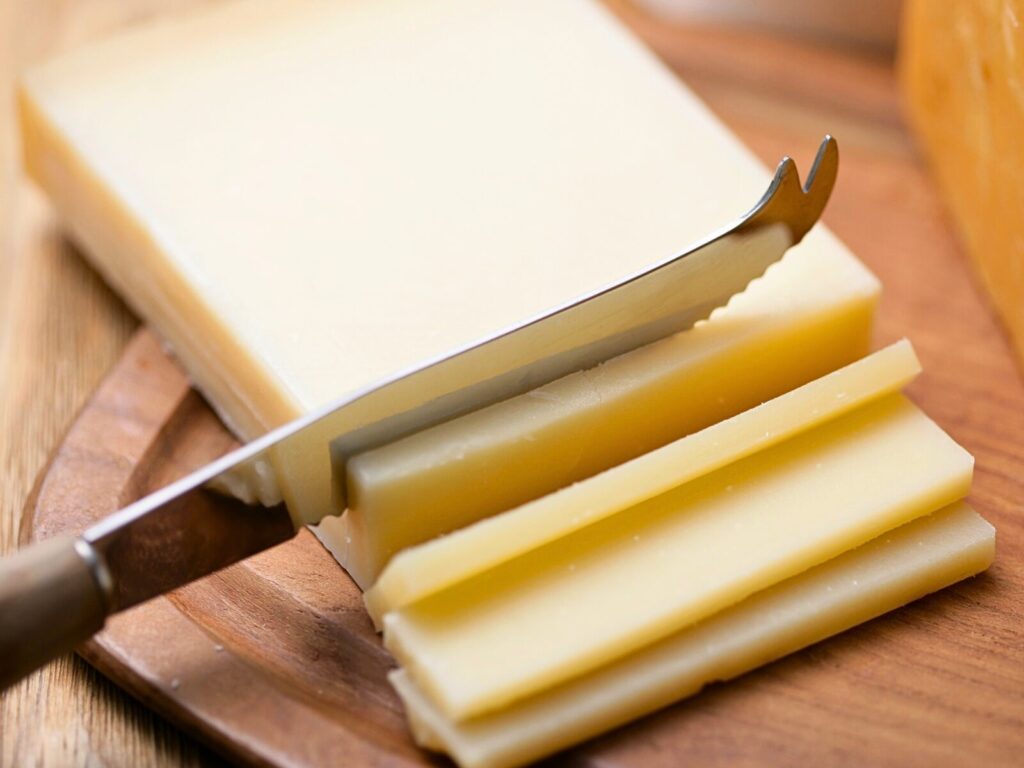
I love eating cheese raw. Raw and unpasteurized cheeses such as cheddar, Gouda, Emmental, and Gruyere has calcium, vitamin B12, and other important vitamins and minerals.
Raw cheese is a delicious probiotic food and it is made from unpasteurized milk. It contains naturally occurring beneficial bacteria that help your gut health.
Also, cheese is a high protein food that makes a great addition to your diet for maintaining good gut health.
You can eat cheese with salad, serve it as an appetizer, or with any meal or spread it on top as a garnish. But before purchasing cheese from a shop, be sure to check the product label for terms like “raw,” “probiotic,” and “live cultures.”
Related: 15 No-cook high protein snacks
3. Kombucha
Kombucha is a refreshing and natural probiotic fermented tea that tastes so good. A popular drink that is made by fermenting sweetened tea with a culture of beneficial bacteria and yeast.
It contains small amounts of B vitamins, organic acids, antioxidants, and beneficial compounds from tea.
Also, it helps eliminate toxins from the liver (detoxification), supports digestion and gut health, and even aids in treating arthritis.
It has antioxidants that help protect the body’s cells, while probiotics support a balanced digestive system. You can make delicious amazing recipes with kombucha and include in your daily life.
Related: 10 Best foods that help you poop, not oats
4. Kefir
Kefir is a healthy probiotic food that helps your gut health. It is a fermented milk drink that provides protein, calcium, potassium, phosphorus, magnesium, and vitamin B12.
The fermentation process creates a blend of various probiotics, which can help your the digestive system and nutrient absorption.
This kefir drink has a creamy texture, tastes so well when it is blended with smoothies, or you can serve it with breakfast bowls or enjoy it on its own.
More: Healthy foods that debloat you instantly
5. Sauerkraut
Sauerkraut is a healthy fermented vegetable cabbage that has rich in probiotics and nutrients.
This probiotic vegetable food contains fiber, vitamin C, vitamin K, iron, and potassium. The fiber helps to support your healthy digestion and probiotics contribute to a balanced gut environment.
It is made from fermented cabbage and has digestive enzymes. The fermentation process involved in making sauerkraut creates an environment that fosters the growth of beneficial bacteria, thereby boosting immunity and improving digestion.
I love to eat topping a burger with it—it tastes truly delicious!
6. Kimchi
Kimchi is a traditional fermented vegetable dish that is rich in flavor and has beneficial bacteria. It is made by fermenting and combine with cabbage, radish, garlic, ginger, and seasonings – a perfect tasty and delicious sides to get your probiotic kick.
This vegetable provides vitamin A, vitamin C, vitamin K, folate, and fiber. And has antioxidants and plant nutrients that support overall health.
Kimchi can be enjoyed as side dishes or mixed into rice and vegetable meals.
7. Pickles
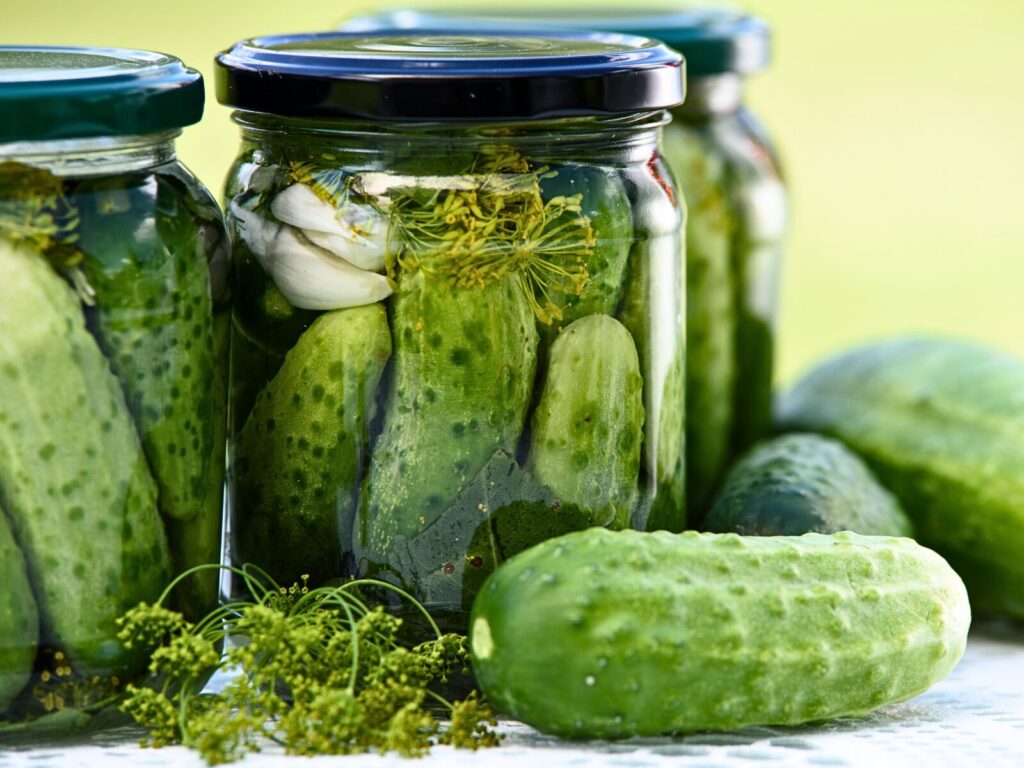
Pickles are one of my favourite foods that has contain fiber, vitamin K, and small amounts of important minerals such as potassium and magnesium.
Naturally fermented pickles are made by soaking cucumbers in saltwater, allowing beneficial bacteria to develop over time. This fermented process creates probiotics, and they help to support your digestive balance.
Adding pickles to a plate of sandwiches, salads, or snacks not only enhances the flavor and crunchiness of the food but also provides beneficial bacteria to the gut.
8. Apple Cider Vinegar
Apple cider vinegar is a healthy fermented and probiotic food that is made through the fermentation of apples.
It contains natural acids, antioxidants, and trace amounts of minerals such as potassium.
Its unrefined or unfiltered version often contains a cloudy substance known as ‘the mother,’ which consists of beneficial bacteria and enzymes.
It can be use as morning drink to help your diegstive track and maintain gut-friendly lifestyle. But for some people it can be worse, create bloating, acid or gas, so be caution for that.
Many people enjoy adding a small amount to salad dressings, marinades, or diluted beverages.
9. Natto
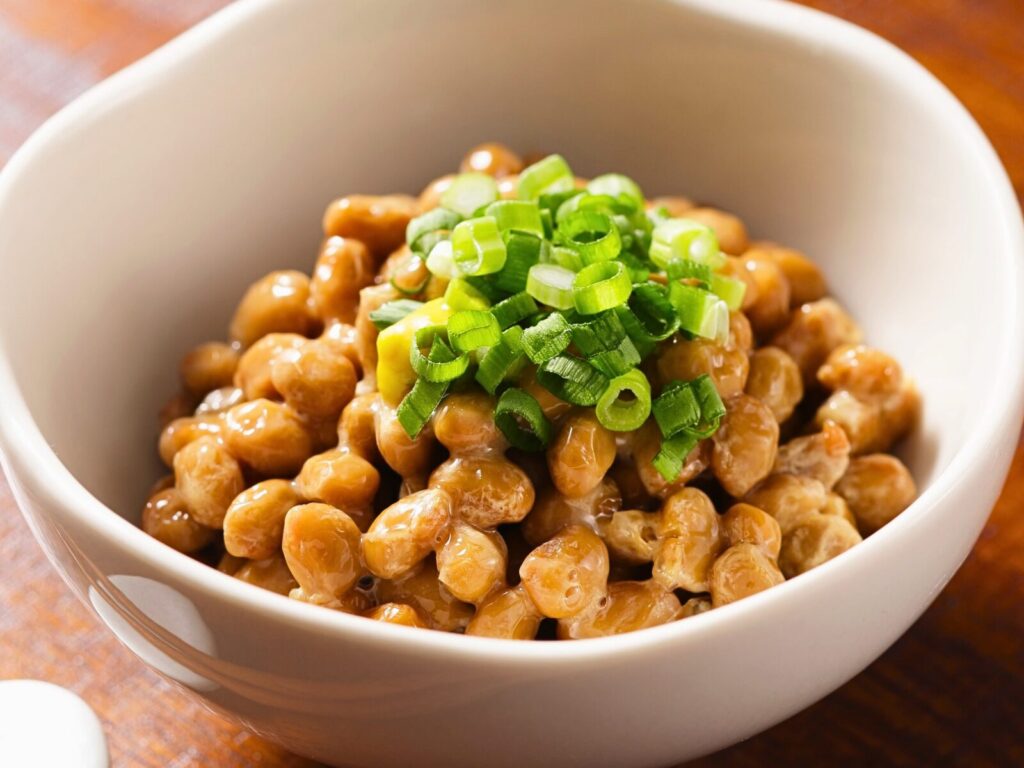
Natto is a healthy Japanese food made from fermented soybeans. It is rich in plant-based protein, fiber, iron, magnesium, calcium, potassium and vitamin K2 (which helps increase calcium absorption).
Also, it is known for its impressive nutritional profile and probiotic content. The fermented process of this natto creates a lots of beneficial bacteria that helps your gut health balance.
Natto has a rather sticky and slimy texture; so, provided you have no issues consuming soybeans, you can easily eat it by mixing it with rice or spreading it on whole-wheat toast.
10. Miso
Miso is a Japanese seasoning made by fermenting soybeans with salt and koji (a special mold culture). It is widely used in Japanese cooking that adds a savory flavor to soups, sauces, and dressings while providing beneficial probiotics.
It contains abundant amounts of Vitamin B-12 and minerals such as zinc, copper, and manganese, which are essential for overall health.

Hi, I’m Priyanka! I am the owner of Pinch of Kitchen. I have been an author, content developer, and professional blogger for a few years. Pinch of Kitchen shares simple food tips, ingredient guides, high-protein meals, and budget-friendly recipes to help make everyday meals easier and more enjoyable.