
Looking for healthy and simple way to poop without any pain, add these 7 high fiber vegetables in your diet for constipation.
I know the feeling of constipation. I suffered from that problem already. It’s so hard and doesn’t come out after so many pushes. And blood or strain and muscle come out from the anus. I know it’s horrible!
Wait, don’t give up!!!
These healthy fiber-rich vegetables make your stool softer, keep things moving through your digestive system. Add these veggies – Broccoli, Green Peas, Carrots, Brussels Sprouts, Artichokes, Sweet Potatoes, Spinach, Kale, and Turnip Greens in your diet regularly.
These high fiber vegeteables for constipation contain plenty of water, vitamins, and minerals that support overall gut health. The best thing is, these are not so expensive, and you can easily make any healthy meals with these veggies.
Not only vegetables, these amazing high fiber fruits are also great for constipation relief!
Related: 9 Best breakfast foods to help you poop
Why Does Fiber Matter for Constipation?
Fiber is one of the most important nutrients in your body for a healthy digestive process. Combining with water, it helps facilitate the easy elimination of waste products (your poop) through your digestive system. Here are five simple ways in which fiber works:
1. Makes Stool Softer: Fiber makes your poop softer because they absrob water and easy to pass your poop through your digestive tract to your gut. It make comfortable when you sit in the bathroom.
2. Adds Bulk to Stool: Soluble and insoluble fiber both work together when you eat high fiber vegetables or fruits. As a result, stool can move easily through the intestines, aiding in regular bowel movements.
3. Supports Gut Microbiome: Fermentable fibers act as prebiotics and provide nourishment for beneficial gut bacteria. A thriving microbiome increases microbial biomass and helps maintain normal, healthy gut function. Check out 8 best fermented foods for gut health.
4. Prevents Straining: Fiber can prevent straining while you poop. It’s so paining I know. Eating fiber foods can maintaining soft, bulky, and well-formed stools. It reduces the necessary pressure and strenuous effort required during bowel movements.
5. Helps Build Healthy Daily Habits: Eating fiber-rich vegetables daily makes it easier to meet the body’s fiber requirements. Small changes—such as including vegetables in lunch and dinner meals, combined with enough water intake and physical activity—can have a significant positive impact in the long run.
Related: 10 Worst Foods That Cause Constipation
Now, let’s dive into these high fiber vegetables to make your poop easy and natural!
1. Green Peas
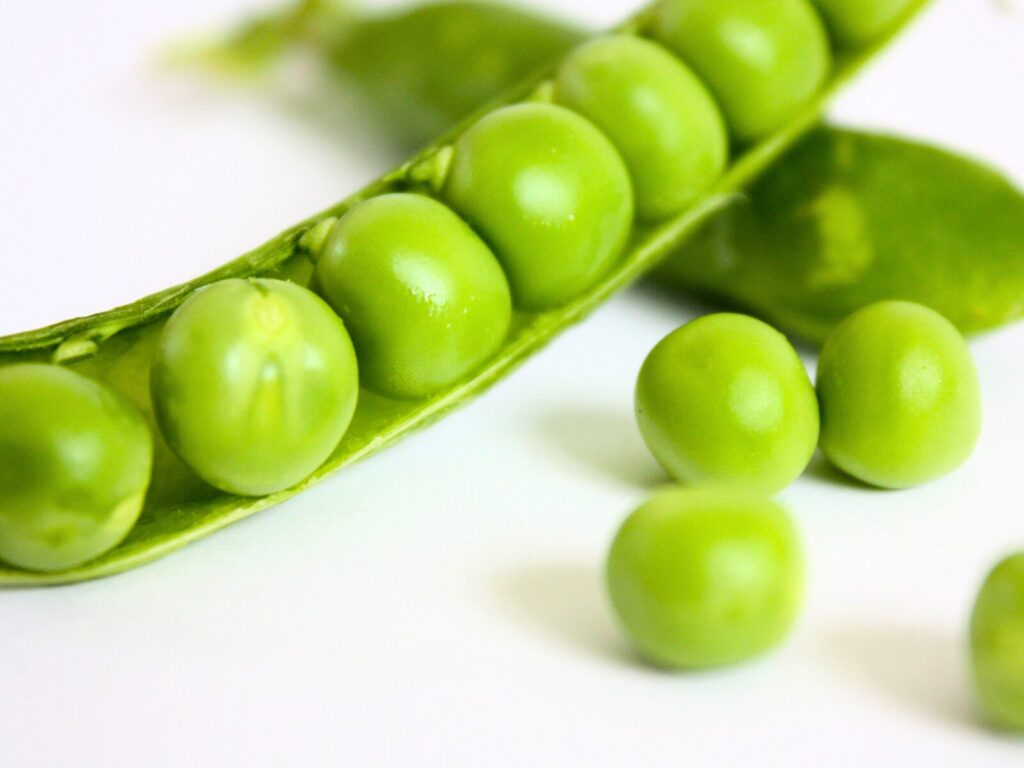
Green peas are one of the best high fiber vegetables for constipation, which are packed with nutrients that help maintain a healthy digestive system.
They are rich in fiber, and providing about 4 to 9 grams of total fiber per cooked cup.
It acts as prebiotic food for gut health that helps your poop be soft and helps keep bowel movements regular. And feeding healthy bacteria in your gut microbiome.
Green peas has insoluble fiber that prevents constipation and keeps your digestive tract moving. Also has soluble fiber that slows down digestion and helps regulate blood sugar and lower cholesterol levels.
Peas are a plant based protein that provide vitamin C to support your immune system, vitamin K for healthy bones, and several B vitamins that help your body turn food into energy. Not only that, also contain minerals like iron, magnesium, and potassium that support many important body functions.
You can add green peas to your meals for lunch or dinner like soups, rice dishes, pasta, salads, or enjoy them as a simple side dish.
Related: 10 Foods with more fiber than Oatmeal
2. Artichokes
Artichokes are an excellent natural remedy or one of the richest vegetable sources of fiber for constipation because they are packed with both insoluble fiber and inulin (a prebiotic soluble fiber).
It looks like a small lotus flower to me. This is so cute! But the edible portion of the plant consists of the flower buds before the flowers come into bloom.
Not only fiber, artichokes provide vitamin C, vitamin K, folate, magnesium, and potassium as well. And also has full of natural antioxidants that help protect your body’s cells.
You can eat them in salads, pasta dishes, grain bowls, or simply steamed with a light seasoning.
More: 7 Best nuts to help you poop
3. Broccoli
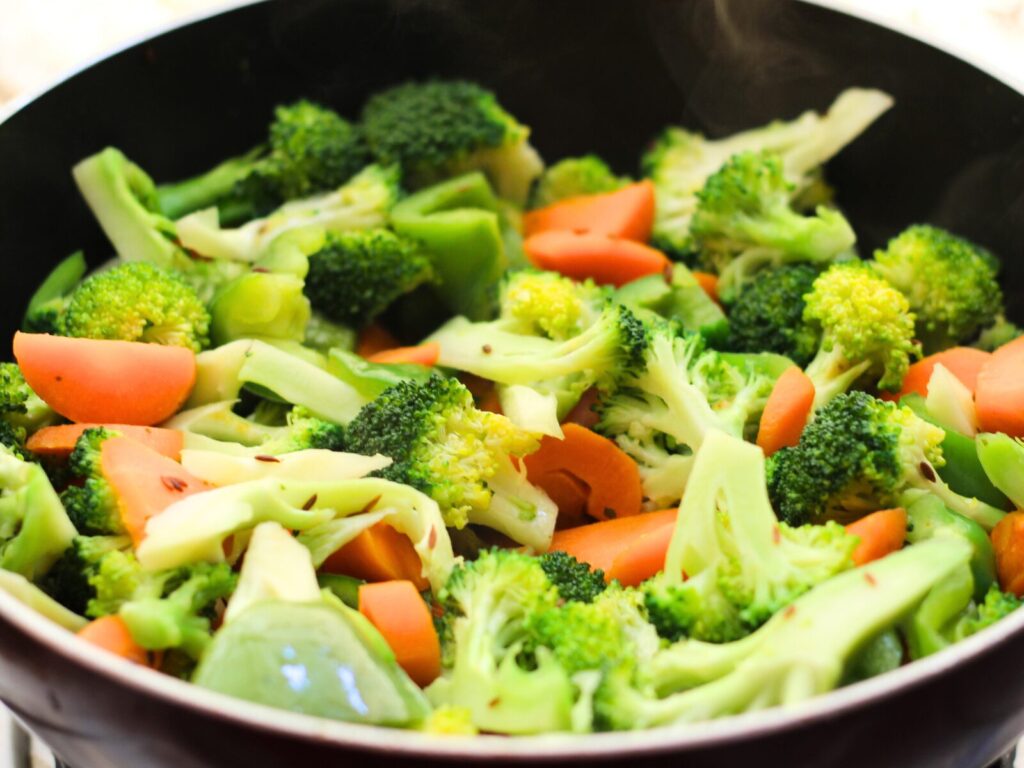
Broccoli is one of my best ever high fiber vegetables that I eat every day on my diet. Broccoli is a healthy, nutritious vegetable that provides a healthy amount of fiber, vitamins, and minerals.
They are rich in vitamin C, which supports your immune system and helps the body absorb iron from plant-based foods. Wait, not end, they give you Vitamin K for bone health, folate for healthy cell development, and potassium for the proper functioning of muscles and nerves.
Even broccoli has natural plant compounds with antioxidant properties that help maintain overall well-being.
I love eating broccoli stir fry, broccoli cheddar soup, or roasted broccoli on the week. But you can eat them as steamed, roasted, stir-fried, or mixed into casseroles and pasta dishes.
Related: 10 Best foods that help you poop, not oats
4. Carrots
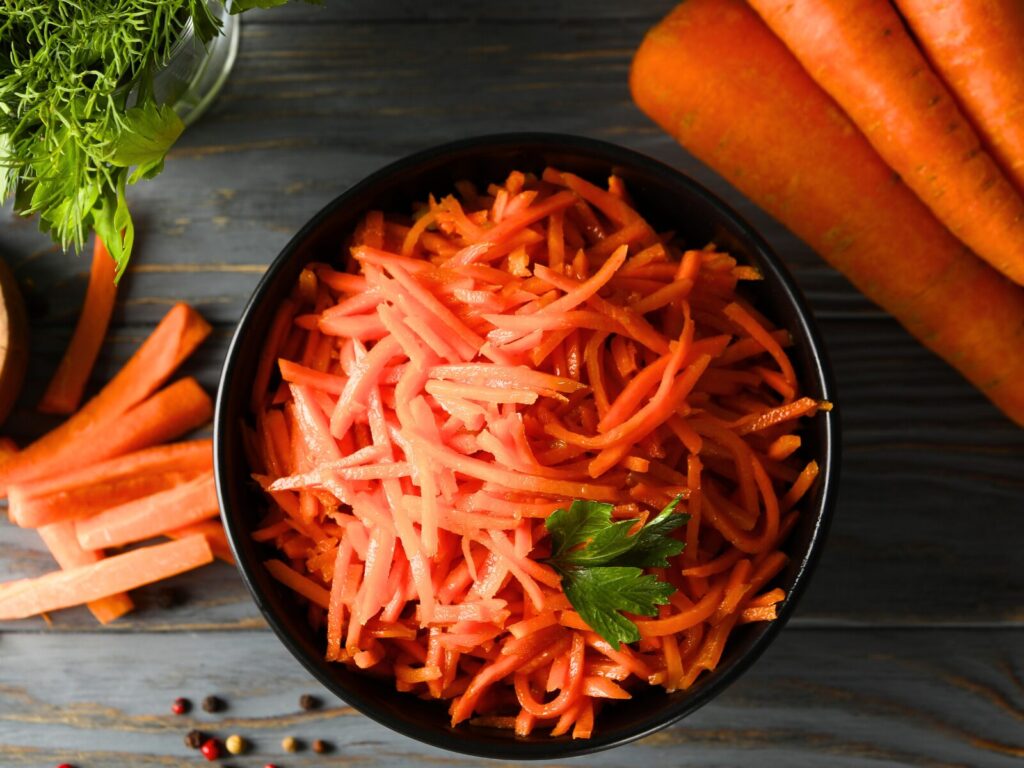
Carrots are the healthiest high fiber vegetables that are high in fiber, and a high amount of beta-carotene, which your body changes into vitamin A.
Carrots contain soluble and insoluble fiber that helps your digestion. Soluble fiber absorbs water to form a soft gel or sticky substance, whereas insoluble fiber helps maintain stool bulk and consistency. Their combined effect ensures regular bowel movements and promotes overall gut health.
Carrots also provides you vitamin K, potassium, and antioxidants that help protect your cells.
Adding carrots to your daily meals like enjoy it with dips, roasted as a side dish, added to soups, or mixed into salads.
More: 21 Easy Gut-friendly dinner meals
5. Brussels Sprouts
Brussels sprouts are healthy and another excellent vegetable that has high in fiber and loaded with vitamin C, vitamin K, folate, and antioxidants.
The fiber it contains helps maintain digestive health and nourishes beneficial gut bacteria. They have water-absorbent properties that work with fiber to help maintain regular bowel movements.
It looks like small cabbage, and I love to eat it, roasted as salad or a side dish. When you roast this, it brings out their natural sweetness, making them a delicious side dish.
More: 10 Best high fiber low carb foods to add to your diet
6. Sweet Potatoes
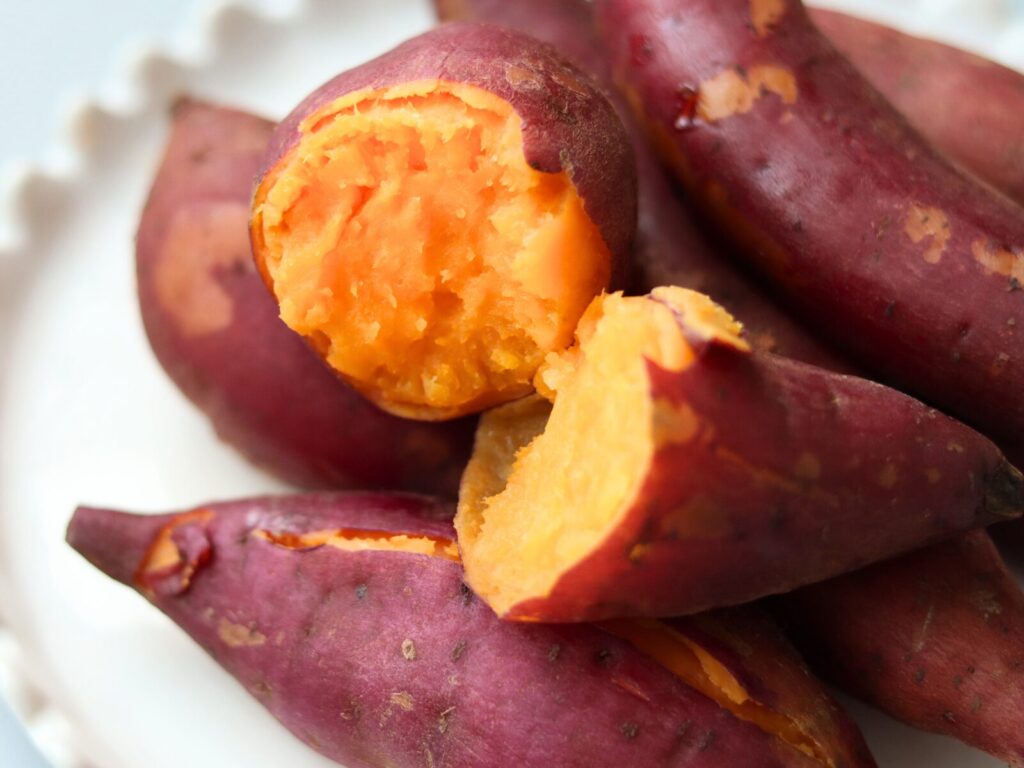
The plant-based healthy high-fiber vegetable is sweet potato. It has not only high in fiber, but also high level of beta-carotene, which turns into vitamin A in the body.
They also contain vitamin C, potassium, manganese, and several B vitamins. These nutrients help maintain good eye health, immune function, and overall well-being.
Eating sweet potatoes in your diet is a very healthy and good option in your daily life to get away from constipation so easily. You can enjoy it as baked, roasted, mashed, or added to soups and casseroles.
7. Leafy Greens (Spinach, Kale, and Turnip Greens)
Leafy greens are highly nutritious vegetables and low in calories.
Eating greens like spinach, kale, and turnip in your meals makes you healthy and keeps you full.
These green veggies are high in fiber and water, which help maintain a healthy digestive system and your gut health.
Spinach is rich in vitamin A, vitamin C, vitamin K, folate, iron, and magnesium. Kale provides even more fiber along with vitamin C, vitamin K, calcium, and antioxidants that help protect your body’s cells. Turnip greens are another excellent choice, offering fiber, vitamin A, vitamin C, vitamin K, calcium, and folate. These greens can be added to salads, smoothies, soups, omelets, pasta dishes, or lightly cooked as a simple side.
Adding these high-fiber vegetables to your meals throughout the week in your diet make more and more healthy. Small amount of daily taking green vegetables gives you fiber and see big difference in supporting regular bowel movements and overall gut health.
You can eat these greens as salads, smoothies, soups, omelets, or pasta dishes, or lightly cooked and served as a standalone side dish.

Hi, I’m Priyanka! I am the owner of Pinch of Kitchen. I have been an author, content developer, and professional blogger for a few years. Pinch of Kitchen shares simple food tips, ingredient guides, high-protein meals, and budget-friendly recipes to help make everyday meals easier and more enjoyable.