
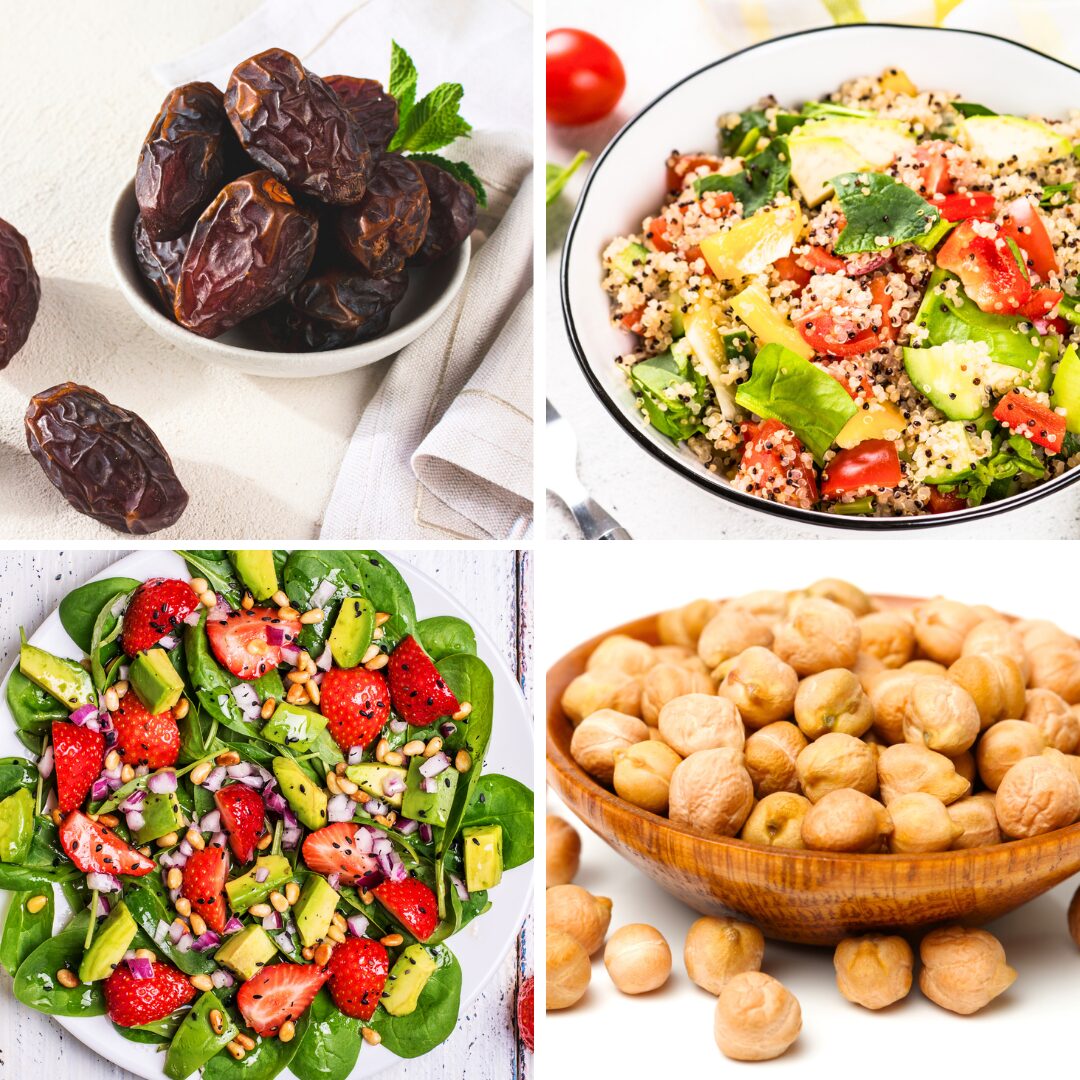
Do you often feel tired even after getting enough sleep? Or perhaps you have noticed that you no longer have the same level of energy you used to. Often, an iron deficiency in the body can be the reason for this. Here you will get healthy foods high in iron to get over from lack of iron.
What Is Iron Deficiency Anemia?
Anemia happens when hemoglobin levels in red blood cells drop. Hemoglobin is a type of protein that helps form red blood cells, which deliver oxygen from your lungs to the rest of your body. Due to a lack of sufficient iron, the body cannot produce the necessary hemoglobin, and it is this hemoglobin that carries out the task of transporting oxygen.
As a result, your muscles, various organs, and brain do not receive the oxygen needed for their normal and optimal functioning. Consequently, you may experience fatigue and weakness.
Iron-deficiency anemia usually doesn’t happen overnight. It develops slowly, which is why many people don’t realize they have it at first. Thankfully, eating more iron-rich foods and getting the right medical care when needed can help improve your iron levels over time.
Related: High fiber high protein breakfast recipes for busy mornings!
12 Symptoms of Iron Deficiency Anemia
Iron deficiency anemia can present with a variety of symptoms. For most people, these symptoms are quite mild or not noticeable at all; consequently, they may not even realize there is a problem until a routine blood test reveals it. Symptoms of iron deficiency anemia include:
1. Feeling Tired Most of the Time: One of the most common symptoms is feeling tired even after a good night’s sleep. Without enough healthy red blood cells, the body has to work harder than usual.
2. Low Energy: Even simple daily activities, such as walking, cleaning the house, or climbing stairs, you may feel more exhausting and tired than usual because the body is not receiving enough oxygen.
3. Pale Skin: Your skin may appear paler or lighter than usual, as a drop in hemoglobin levels reduces the skin’s natural pinkish glow.
4. Shortness of Breath: You may experience rapid shortness of breath or a tendency to get winded even during normal work or activities, as your body attempts to take in more oxygen.
5. Frequent Headaches: If oxygen levels in the body drop, it can lead to headaches or make it difficult to maintain focus on tasks during the day.
6. Feeling Dizzy: Many people may experience lightheadedness or dizziness when standing up quickly or during physical activities, because the brain does not receive sufficient oxygen at those times.
7. Cold Hands and Feet: Iron helps deliver oxygen throughout the body. If there is an iron deficiency, your hands and feet may often feel cold.
8. Fast Heartbeat: When your heart has to work harder to deliver oxygen throughout your body, its beat may become faster than normal.
9. Weakness: Your muscles may feel weak, making daily activities seem more difficult or strenuous than usual.
10. Brittle Nails: When you have iron deficiency in the body for a long period, it can cause your nails to become thin or break easily.
11. Difficulty Concentrating: For some people, maintaining focus or remembering things becomes difficult because the brain also requires a continuous supply of oxygen.
12. Craving Non-Food Items: Some people may experience an unusual craving such as ice, clay, or starch (e.g., raw rice or cornstarch). This can sometimes be linked to an iron deficiency, and the matter should be discussed with a healthcare professional.
Suggested: 10 Best high fiber foods for digestion
7 Causes of Iron Deficiency Anemia
There can be several reasons behind iron deficiency in the body and the resulting anemia.
1. Not Eating Enough Iron-Rich Foods: If you do not regularly eat iron-rich foods, your body’s iron stores may gradually decrease over time.
2. Increased Iron Needs: Growing children, teenagers, and pregnant women have a higher demand for iron, as their bodies are growing or they need to provide nutrition to the developing baby.
3. Heavy Menstrual Periods: Excessive bleeding during menstruation can lead to a drop in the body’s iron levels unless you are taking enough iron-rich foods through diet.
4. Blood Loss: Bleeding caused by surgery, injury, or certain medical conditions can lead to a drop in your body’s iron levels.
5. Genetic or hereditary factors: Certain genetic conditions or mutations can impair the body’s ability to absorb iron or worsen existing issues.
6. Frequent Blood Donation: Regular blood donation can lower the body’s iron levels; therefore, it is essential to gain iron stores through a balanced diet.
7. Certain Health Conditions: Certain long-term physical conditions can affect the body’s processes of storing or utilizing iron, making it difficult to maintain normal iron levels.
Related: Easy Foods High In Magnesium
3 Tips to Help Prevent Iron Deficiency Anemia
The following three tips will help prevent iron deficiency in both children and adults:
1. Eat Iron-Rich Foods Regularly: Instead of consuming iron-rich foods only occasionally, make sure to include them regularly in your weekly diet. Developing a habit of eating them consistently makes it easier to maintain optimal iron levels in the body.
2. Pair Iron Foods With Vitamin C: Vitamin C helps the body absorb iron effectively. Therefore, try to consume foods like oranges, strawberries, kiwis, tomatoes, or bell peppers alongside iron-rich foods.
3. Eat a Balanced Diet: Choose a variety of fruits, vegetables, whole grains, legumes, nuts, seeds, and protein-rich foods; this ensures your body receives essential nutrients that complement each other.
Now, let’s dive into these healthy foods high in iron and enjoy!
1. Spinach
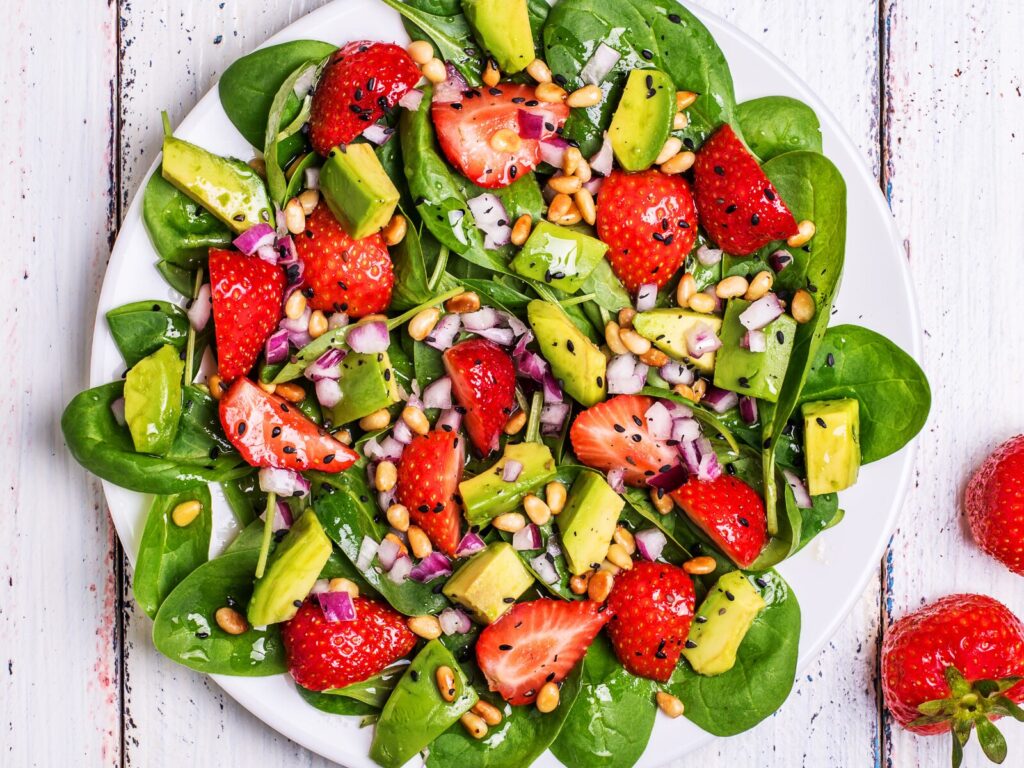
Spinach is one of the most popular and healthy green vegetables that is high in iron. Not only that, it offers many other healthy nutrients that benefit your body.
It is also packed with Vitamin A, Vitamin C, Vitamin K, folate, magnesium, and is an amazing high-fiber food for constipation relief.
Although spinach is plant-based (non-heme iron), when you eat spinach with foods or meals your body can absob iron more of it.
Spinach is easy to cook quickly in any recipe of your everyday meals and is a simple choice for those who want more iron-rich foods. You can eat fresh spinach in salads, blend it into smoothies, mix it into soups, or add it to pasta, omelets, curries, and rice dishes.
2. Lentils
Lentils are an affordable and pantry staple that provides lots of plant-based iron, alongside protein, fiber, folate, magnesium, potassium, and vitamin B, which help support energy production and your body’s health.
Regularly consuming lentils is a simple way to increase your iron intake while enjoying a nutritious and satisfying meal.
They help keep you feeling full for a long time and are easy to cook; you can make with it in dishes such as soups, stews, curries, salads, and grain bowls.
3. Pumpkin Seeds
Although small in size, pumpkin seeds are packed with nutrients such as iron, healthy fats, protein, magnesium, and zinc. Collectively, these nutrients help provide energy to the body, maintain heart health, boost the immune system, and ensure the proper functioning of the digestive system.
You can eat directly as a crunchy snack or sprinkled over oatmeal, yogurt, smoothie bowls, salads, or homemade granola. Keeping a jar of pumpkin seeds handy makes it easy to add extra nutrition to various meals throughout the day.
4. Tofu
Tofu is a versatile plant-based iron food that is rich in protein. Also it packed with calcium, magnesium, phosphorus, manganese, and several minerals that support healthy bones and muscles.
tofu can be eaten in many dishes on many ways. the best thing is, its mild flavor allows it to easily absorb the tastes of various spices and sauces.
You can grill or bake it, stir-fry it with vegetables, or use it in soups, curries, and rice bowls. It is an excellent option for those looking for a simple, meat-free meal.
More: 10 Prebiotic Foods for Gut Health
5. Quinoa
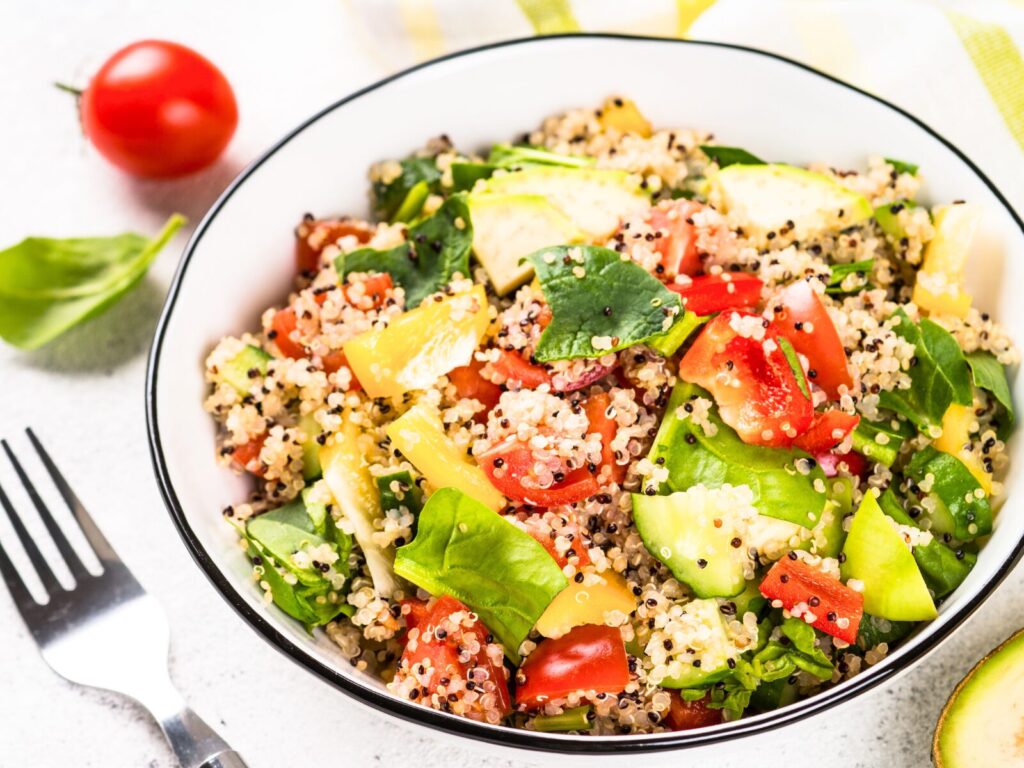
Quinoa is a nutritious whole grain high fiber and high iron food that is best for gut health and body health. Not only that, it’s contain protein, and several essential minerals.
Unlike many other grains, quinoa contains all nine amino acids essential for the body, making it an excellent choice for a balanced diet.
It has a light, fluffy texture, allowing it to serve as a rice substitute in grain bowls, salads, soups, or vegetable stuffings. It is also a delicious and ideal ingredient for preparing healthy meals.
Related : High protein quinoa recipes for weight loss
6. Broccoli
Broccoli is a healthy and easy kitchen vitamin C food that I love so much and love to add to my meals almost every day. It also contains iron and fiber.
The natural Vitamin C in broccoli helps the body absorb iron from plant-based foods, making it an excellent addition to iron-rich meals. Whether steamed, roasted, or stir-fried—or incorporated into dishes like casseroles and pasta—broccoli can easily be included in a family’s daily diet.
More: Low Calorie Foods to add on your kitchen
7. Chickpeas
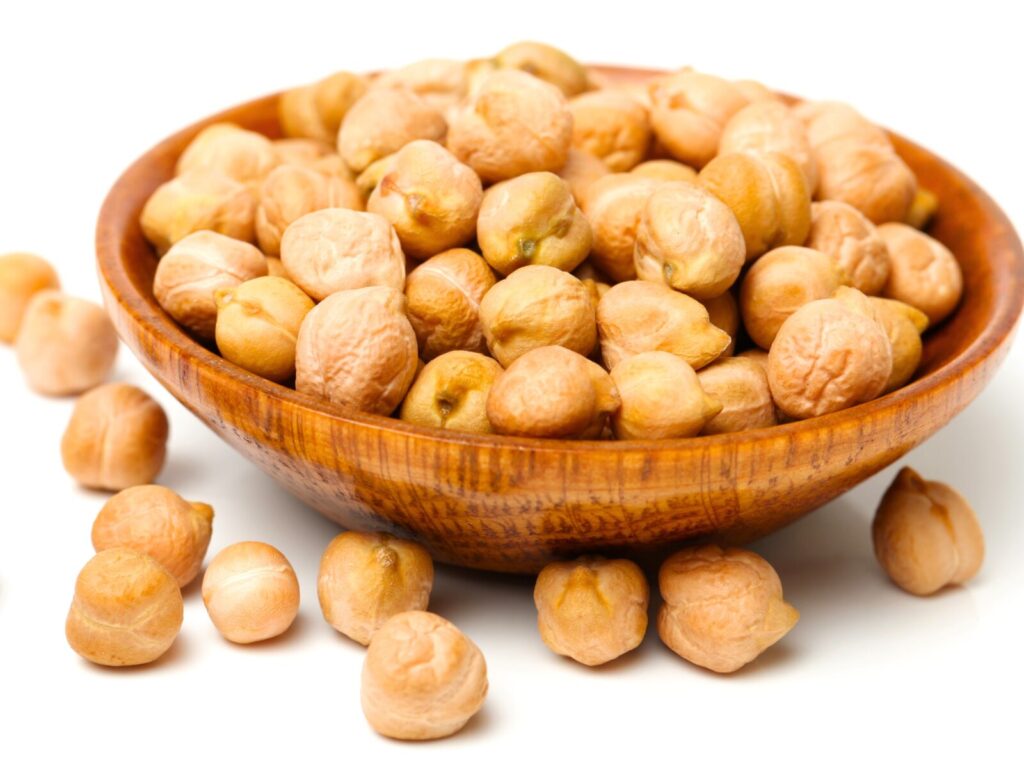
Chickpeas are another excellent source of plant-based iron; they are also rich in protein and fiber. Their mild, nutty flavor makes them versatile for various uses.
You can enjoy them in salads, blended into creamy hummus, or roasted as a crunchy snack. Additionally, they can be added to soups, curries, wraps, and grain bowls. Chickpeas are a simple and convenient pantry staple for preparing quick, healthy meals.
8. Legumes
Legumes are healthy high fiber and high iron food. Just like beans, peas, lentils and other nutritious plant-based foods are naturally provide iron, protein, fiber, and many essential vitamins and minerals.
You can easily make delicious recipes with these healthy legumes that keeps you full for a long time and maintaining a balanced diet.
Varieties like black beans, kidney beans, navy beans, and split peas can easily be added into soups, chili, tacos, salads, casseroles, and rice dishes. Including many of legumes in your diet throughout the week is a simple way to enjoy iron-rich foods.
9. Dates
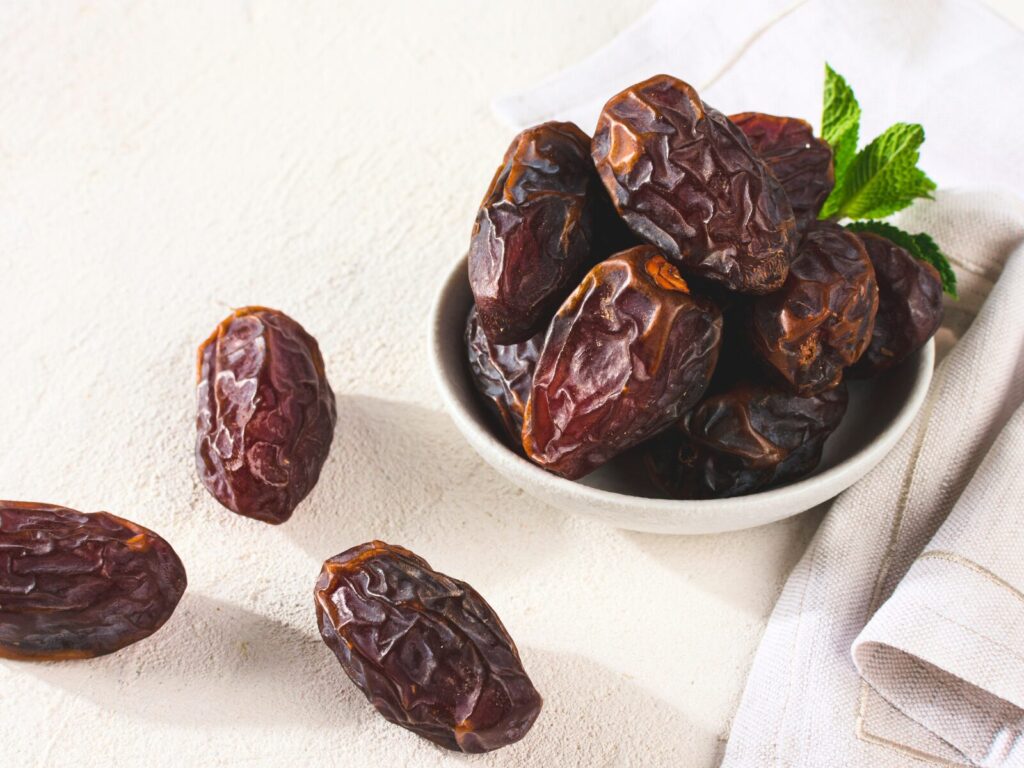
Dates are healthy and naturally sweet fruits that packed with iron along with fiber, potassium, and antioxidants. I love dates so much in my smoothie and no required sweetners at all.
this fruit gives you natural carbohydrates that provides necessary energy for your body and, at the same time, adds important vitamins and minerals to the diet.
You can take it as snacks and can also be chopped into oatmeal, yogurt, smoothies, homemade energy bites, or baked recipes. Their natural sweetness makes them a simple alternative when you want a wholesome snack that also adds valuable nutrients.
10. Raisins
Raisins are dried grapes that provide iron, fiber, potassium, and natural sweetness in every bite. They are easy to carry and require no preparation, making them a convenient snack for busy days or on the work.
To enhance flavor and nutritional value, raisins can also be mixed with oatmeal, trail mix, salads, cereals, baked goods, or yogurt.
11. Beetroots
Beetroot is a colorful root vegetable that provides iron, as well as folate, fiber, potassium, and natural plant compounds—all of which contribute to overall body health.
Its naturally sweet flavor pairs beautifully with salads, roasted vegetable dishes, soups, smoothies, or fresh juices. Roasted with olive oil and herbs, beetroot tastes delicious, making it a simple and tasty side dish for lunch or dinner.
12. Fish
There are many types of fish that provide high-quality protein, omega-3 fatty acids, vitamins D and B12, iodine, and selenium, in addition to iron. These healthy nutrients help maintain heart health, brain function, and overall well-being.
Fish can be easily prepared by baking, grilling, or steaming, or by adding it to salads, rice bowls, tacos, or pasta. Including fish in your regular diet provides iron along with various other nutrients that help maintain a healthy lifestyle.

Hi, I’m Priyanka! I am the owner of Pinch of Kitchen. I have been an author, content developer, and professional blogger for a few years. Pinch of Kitchen shares simple food tips, ingredient guides, high-protein meals, and budget-friendly recipes to help make everyday meals easier and more enjoyable.