

Feeling bloated? And feel heavy, full, or uncomfortable, especially after a meal? Here you get amazing healthy foods that debloat you easily without taking any medicine at all.
The good news is that you can keep your digestive process smooth and comfortable by simply adding a few common everyday foods into your daily diet.
These foods, which help reduce bloating, provide the body with essential water, fiber, potassium, and other nutrients that support in normal digestion and help maintain fluid balance.
You do not need to completely change or replace your eating habits to achieve this; you can get started simply by adding a few easily digestible, nutritious healthy foods to your diet and drinking plenty of water.
Benefits of Debloating Foods for Your Health
1. Support comfortable digestion: These foods help make the digestion process more comfortable. Foods that reduce bloating make it easier to incorporate fiber and water into your daily diet.
Fiber supports regular digestion, while water helps fiber function effectively; together, they facilitate the smooth movement of food through your digestive system. You can make this simple by adding fiber-rich foods to meals instead of making big changes all at once.
2. Support regular bowel movements: A slow digestive process can lead to issues such as bloating or discomfort. Fiber-rich foods support regular bowel movements by increasing stool bulk and keeping the digestive system active.
You can obtain sufficient fiber throughout the day from fruits, vegetables, legumes (such as beans and lentils), and whole grains. If you are increasing fiber, doing it gradually and drinking enough water can make the change easier for your body.
3. Stay hydrated: Water-rich foods can add extra fluid to your daily diet. Maintaining proper hydration levels is beneficial for digestion and aids in regular bowel movements.
Eating cucumbers, watermelons, oranges, and other water-rich fruits and vegetables, you can intake necessary fluids along your food, making hydration a more enjoyable experience.
4. Support healthy fluid balance: Some foods provide potassium, a mineral that helps maintain the body’s fluid balance. Getting sufficient potassium from your everyday foods can be part of a balanced eating plan.
Foods such as bananas, potatoes, avocados, beans, and vegetables can help supply potassium to your diet.
5. Get more fiber: Fiber is an important part of a healthy diet and plays a helpful role in digestion. Regularly eating fiber-rich foods provides your digestive system with nutrients that help maintain normal bowel function.
An easy way to start is by adding a fiber-rich food to a meal you already enjoy, such as including berries with breakfast or vegetables with lunch.
6. Meals feel lighter and more nourishing: Fresh fruits, vegetables, whole grains, and minimally processed foods can add nutrients, water, and fiber to your diet. They can help you assemble a balanced and nutritious meal without complicating the process.
You can start with familiar foods and gradually introduce more variety as you discover what works best for you.
7. Support a healthy gut: Various types of plant-based foods can provide nutrients that support the activity of beneficial bacteria in your digestive system. By eating a variety of fruits, vegetables, whole grains, legumes, nuts, and seeds throughout the week, you can reap the benefits of plant-based foods.
You do not need to eat everything at once; rather, adding various healthy plant foods into your regular meals is an easy way to build variety over time.
1. Cucumbers

Cucumber is an excellent addition to a list of light and refreshing foods. It has a high water content, which helps keep the body hydrated throughout the day.
Maintaining a proper water balance in the body is essential for health, and eating cucumber can be particularly beneficial if the body feels somewhat bloated or heavy.
Cucumber slices can be eaten as a simple snack or adding into your salads, yogurt, or sandwiches, even adding it into water is also helpful for your health. Pre-slicing and storing cucumber in the refrigerator makes it easy to enjoy at any time of the day.
2. Ginger

Ginger is a common ingredient that you can easily get into your pantry or kitchen everyday. This is a healthy food that adds a fresh, warming touch to meal and serves as an amazing home remedy for a heavy or uncomfortable stomach.
It has traditionally been used to prevent digestion, and many people enjoy consuming it after a meal. You can add fresh ginger to hot water or tea, finely chop it for stir-fries, blend small pieces into smoothies, or use it in homemade salad dressings.
A little ginger can go a long way, so you only need a small amount to add flavor and enjoy its benefits.
Related: High fiber foods to improve digestion
3. Bananas

Bananas are such a high-fiber food that I love so much at breakfast every day in the morning. Not only fiber, but they also provide essential vitamins, minerals, potassium and natural energy.
Potassium helps maintain the body’s fluid balance, while fiber keeps the digestive system functioning smoothly. Also, thanks to their natural sweetness, ripe bananas make an amazing choice for breakfast or a snack.
You can enjoy them sliced over oatmeal, mixed into smoothies (strawberry banana oats smoothie) or yogurt, or simply on their own. They are also easy to store, making them a inexpensive healthy food option for busy days.
4. Pineapple

Pineapple is a juicy, naturally sweet fruit that can make a meal feel refreshing and satisfying. It contains water and fiber, and also provides an enzyme called ‘bromelain.’
Many people enjoy including pineapple in a balanced diet to aid digestion. You can try adding fresh pineapple to fruit bowls, yogurt, smoothies, salads, or your regular breakfast. Its sweet and slightly tart flavor can make ordinary dishes more delicious without the need for added sugar.
5. Avocados
Avocados have a smooth, creamy texture and are filling; they are also a good source of fiber and potassium. Fiber support in regular digestion, while potassium helps maintain the body’s fluid balance.
I love avocado toast in my go-to breakfast that makes me hhealthy and full for longer. Adding avocado to your meals makes them more satisfying due to its healthy fat content.
You can try spreading mashed avocado on toast, adding slices to salads or grain bowls, or using it to make a simple dip or sauce. If you are looking for an easy way to add more fiber to your diet, avocado is a delicious option.
Suggested: High protein high fiber breakfasts for busy days
6. Asparagus
Asparagus is a low carb high fiber vegetable that can easily be added into a balanced diet, providing the body with essential fiber and water.
It contains prebiotic fiber, which supports the activity of beneficial bacteria naturally present in the gut.
You can roast asparagus with a little olive oil, steam it, add it to eggs, or serve it alongside chicken, fish, beans, or grains.
Regularly including vegetables like asparagus in your diet makes it possible to prepare meals that are both nutritious and healthy.
7. Peppermint Tea

Peppermint tea is a warm and refreshing drink that many enjoy drinking after a meal. It contains menthol, which imparts a cooling flavor and sensation to the tea and can help soothe the digestive system.
Since it is naturally caffeine-free, it can also be a relaxing choice later in the day. You can enjoy a hot cup of peppermint tea after breakfast, lunch, or dinner, or simply savor it whenever you crave a soothing drink. Also, drinking peppermint tea can be an easy way to increase your daily fluid intake.
8. Yogurt
As an easily digestible and protein-rich fermented food, yogurt can be an amazing probiotic food for your gut health. Yogurt containing ‘live and active cultures’ (live microorganisms) provides beneficial bacteria that help maintain a healthy gut environment.
Not only that, its protein and calcium content makes it a quick and healthy choice for breakfast or a snack. You can choose plain or lightly sweetened yogurt and mix in fruits, chia seeds, nuts, or a dash of cinnamon.
If dairy is not suitable for you, you can choose plant-based yogurt (such as soy or almond milk) that contains ‘live cultures’.
9. Kiwi
The kiwi is a small fruit with a refreshing, vibrant taste and a high fiber content. It is a perfect healthy option if you want to add more fruit into your diet while maintaining healthy digestion.
Its high water content gives it a refreshing and juicy texture. You can enjoy kiwi with breakfast, sliced over yogurt or oatmeal, blended into a smoothie, or simply as an afternoon snack.
10. Papaya
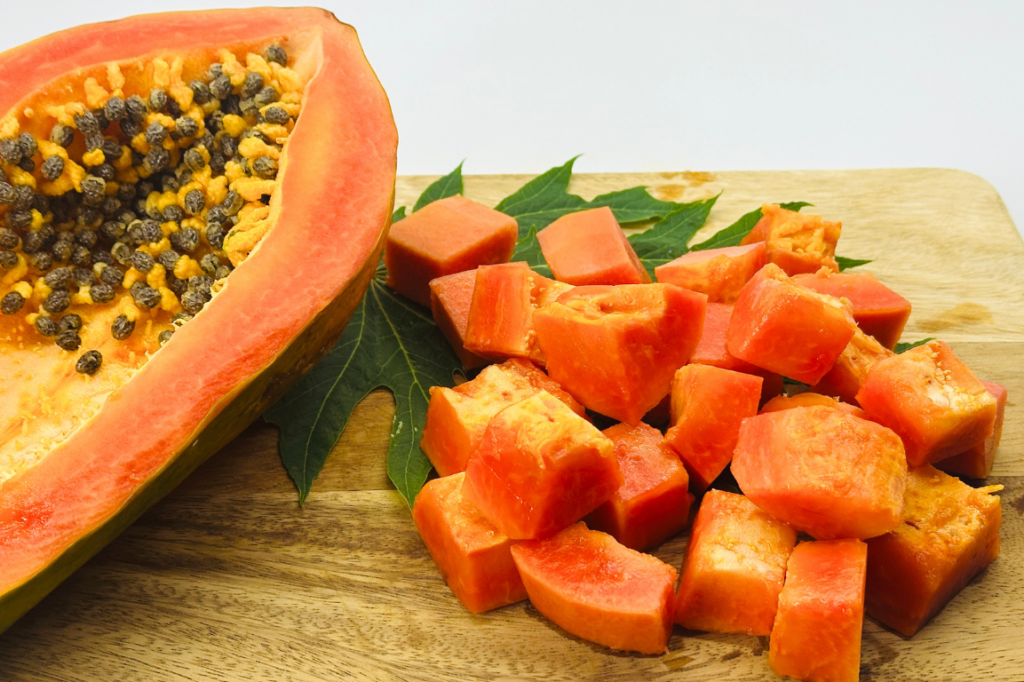
Papaya is a soft, juicy high fiber fruit that makes for a refreshing addition to breakfast or a snack. It is rich in fiber and contains an enzyme called ‘papain,’ which aids in breaking down proteins during digestion.
Including papaya in a balanced diet is an easy way to increase your daily intake of fruit and fiber. You can eat on its own, mixed into fruit bowls or yogurt, or blended into smoothies. Its naturally sweet flavor makes it a delightful choice whenever you crave something light and refreshing.

Hi, I’m Priyanka! I am the owner of Pinch of Kitchen. I have been an author, content developer, and professional blogger for a few years. Pinch of Kitchen shares simple food tips, ingredient guides, high-protein meals, and budget-friendly recipes to help make everyday meals easier and more enjoyable.