
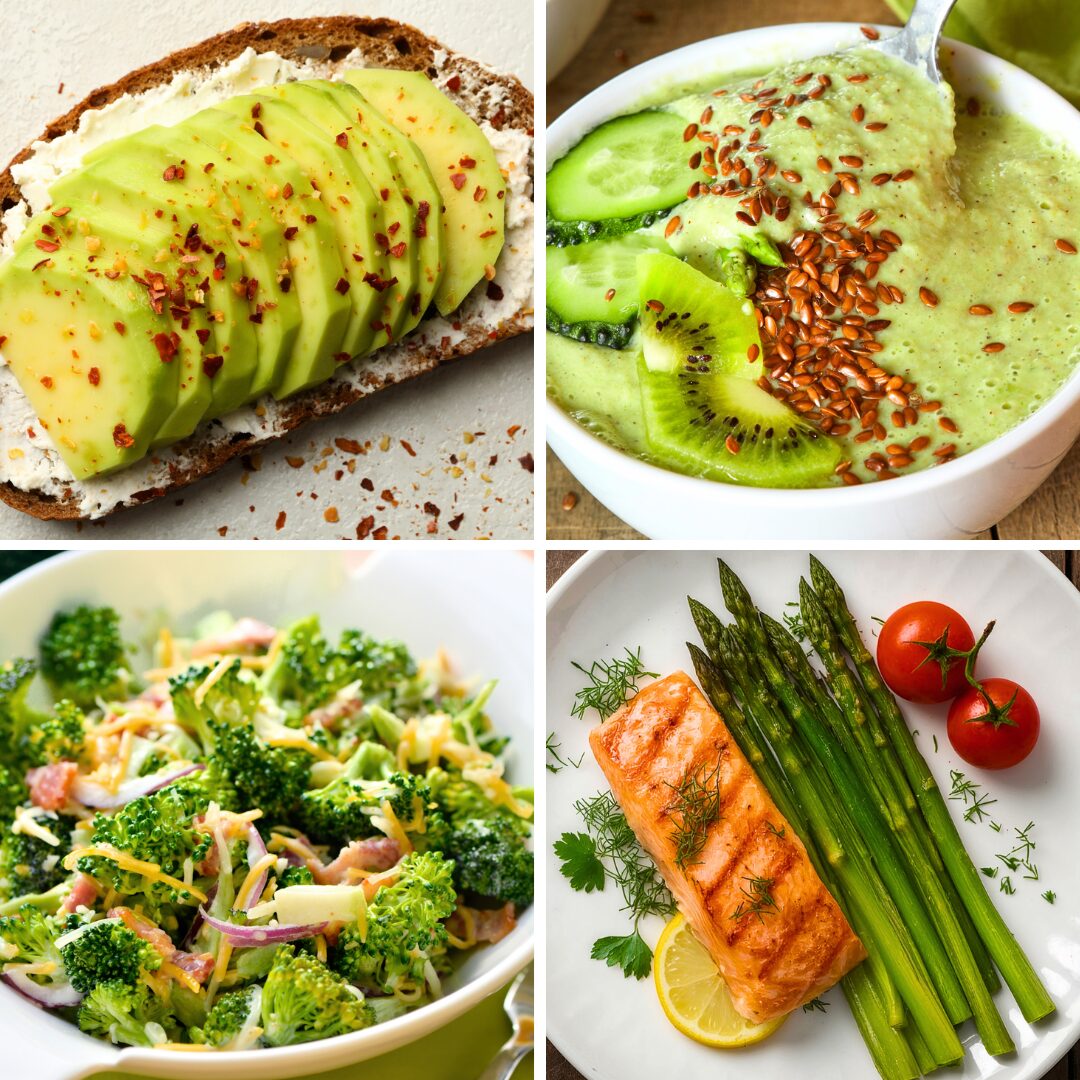
Looking for healthy foods that are rich in fiber and also low in carb for weight loss or healthy digestion? Check out these amazing and best high fiber low carb foods that are perfect for adding your diet on a regular basis.
Fiber is a very essential component for your health to help you poop and make you feel full for a long time. But carbohydrates are also important to maintain and balance your diet, but they should be lower.
Small changes—such as opting for vegetables, seeds, nuts, or other naturally fiber-rich foods—can make your daily meals more satisfying and nutritious.
What Are High-Fiber, Low-Carb Foods?
High-fiber, low-carb foods are those that provide the body with plenty of fiber without significantly increasing carbohydrate intake.
If you wish to maintain digestive health, feel full for longer, and enjoy a balanced diet while reducing your carbohydrate consumption, these low carb high fiber foods can be an excellent choice.
Whether your goal is good your gut health, regular bowel movements, maintaining steady energy levels throughout the day, or simply consuming more nutritious food, starting with high-fiber, low-carbohydrate foods can be a simple approach.
Related: 10 Foods with more fiber than Oatmeal
Why Are High-Fiber, Low-Carb Foods Best for Your Diet?
1. Help You Feel Full for Longer: Eating high fiber low carbohydrate foods makes you full and keep you satisfied after eating. Because fiber takes longer to pass through the digestive system, resulting in a feeling of fullness even between meals.
2. Support Healthy Digestion: Fiber-rich foods play a crucial role in keeping your digestive system functioning smoothly. They facilitate the movement of food through the digestive tract and help ensure regular bowel movements.
3. Support Steady Blood Sugar: Foods that are rich in fiber digest more slowly than highly refined carbohydrates. This slow digestion process helps the body absorb sugars at a steady rate. Consequently, instead of experiencing rapid fluctuations in energy levels immediately after a meal, energy supply remains stable throughout the day.
4. Can Make Healthy Weight Management Easier: As you already know that fiber helps keep you feeling full for longer, naturally enabling the body to consume only the amount of food it needs without feeling like you are missing out. Small daily changes often add up over time.
5. Support a Healthy Gut: Your gut is home to many beneficial bacteria and playing a role in digestion and overall well-being. Fiber serves as food for these beneficial bacteria, supporting their growth and development.
6. Help You Build Balanced Meals: Instead of worrying about what to eliminate from your diet, focus on how to incorporate more fiber-rich low carb foods into breakfast, lunch or dinner. This small change makes healthy eating easier and more sustainable in the long run.
Now, let’s dive into which low-carb, high-fiber foods are best that you can add to your diet.
1. Avocado
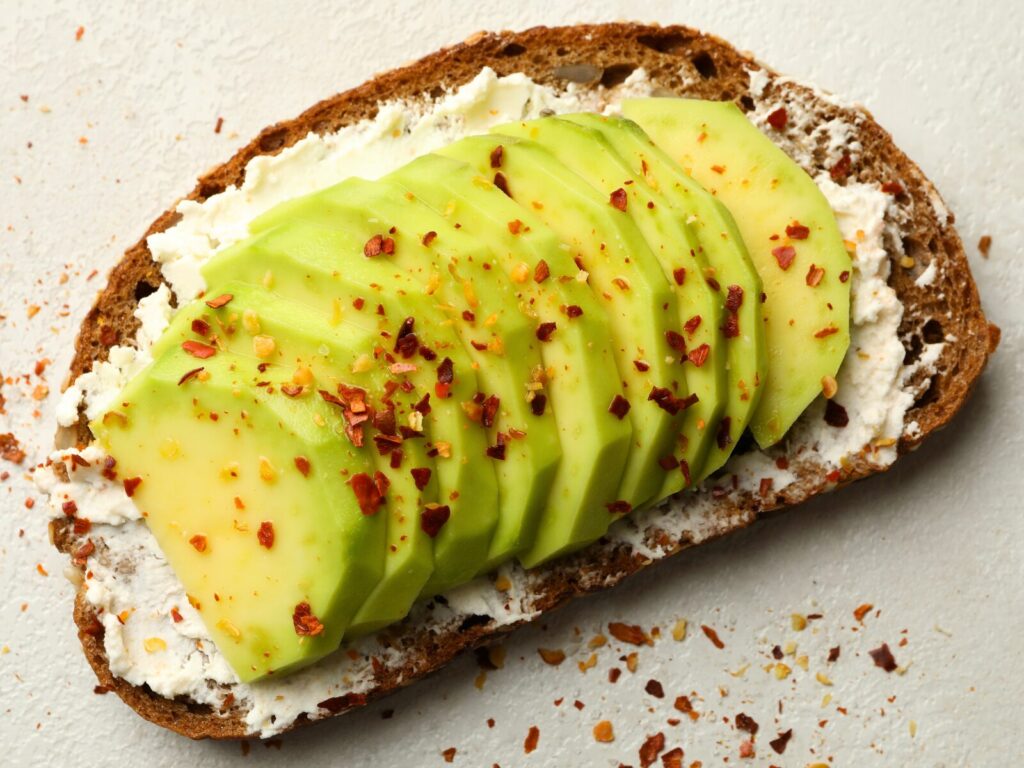
Avocados are one of the best high-fiber low-carb foods that I love so much for my breakfast. They are naturally rich in healthy fats, which help keep you feeling full and satisfied for a longer time.
One medium-sized avocado contains roughly 3 grams of protein and 10 to 14 grams of fiber.
With their smooth, buttery, and creamy texture, they can easily be added to salads, sandwiches, or smoothies, or simply enjoyed with a little salt and lemon juice.
Since they also contain very low levels of digestible carbohydrates, that are ideal for low-carb diets while still providing the body with an abundance of nutrients.
Avocados are healthy high fiber foods for gut health and improve your digestion so well. Not only that, they provide you heart-healthy monounsaturated fats, potassium, folate, vitamin K, vitamin E, and vitamin C.
Related: 15 gut healthy breakfast recipes
2. Chia Seeds
Chia seeds are healthy and easy to make, tiny, rich in fiber foods and low in carbs to eat for weight loss.
100 grams of chia seeds give you 34.4 grams of fiber and 7.7 grams of carbs.
These tiny seeds have lots of potential, containing plant-based omega-3 fatty acids, protein, calcium, magnesium, phosphorus, iron, and antioxidants.
When you put it in the water, after a few minutes or hours, it absorbs water and forms a soft, gel-like texture, making it perfect for overnight pudding, yogurt, oatmeal, smoothies, or sprinkled over fruit.
This high fiber content helps your bowerl movemntes and improve your gas, bloating and digestive track.
Related: Easy High fiber high protein breakfast recipes
3. Flax Seeds
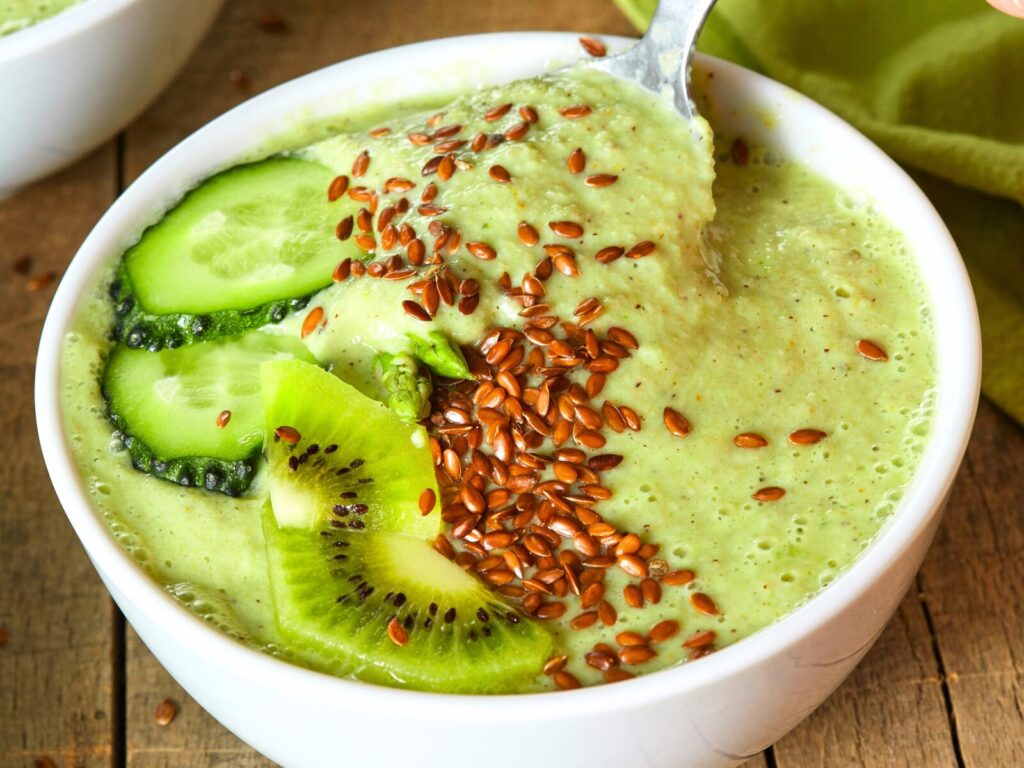
Flax seeds are small and tiny, but one of the best high fiber low carb foods that can easily be incorporated into your daily diet.
It is high in soluble fiber and insoluble fiber, both of which support your digestion and help you poop easily. Soluble fiber helps soften the stool, while insoluble fiber helps you with regular bowel movements by maintaining stool bulk or consistency.
Not only that, but it contains abundant amounts of plant-based omega-3 fats, protein, magnesium, manganese, copper, phosphorus, and lignans—a type of natural plant compound with antioxidant properties.
Consuming just one or two tablespoons of flaxseeds daily is an easy way to increase your fiber intake. Ground flaxseeds are easier to digest than whole seeds, and mixing them into smoothies, yogurt, soups, baked goods, or oatmeal does not significantly alter the taste of the food.
More: 15 high protein high fiber snacks for diabetes
4. Raspberries
Raspberries are healthy high fiber fruits for constipation and the healthiest way to add fiber to your diet enjoyably.
Berries are loaded with fiber that promotes regular bowel movements, but also rich in vitamin C, vitamin K, manganese, and antioxidants that help protect your body from everyday cell damage.
One cup (123 grams) of fresh red raspberries contains approximately 14.7 grams of carbohydrates and 8 grams of dietary fiber.
You can eat them as fruit or jam, and perfect for breakfast, snacks, smoothies, yogurt, or healthy desserts.
5. Blackberries
Blackberries are also one of my best fruit that has lots of fiber and are low in carbs. That dietary fiber reduces and balances your bloating or gas in the digestive system. Also help maintain regular bowel movements.
One cup (144g) of raw blackberries contains about 13.8g to 14g of total carbohydrates and 7.6g to 8g of dietary fiber.
These berries naturally contain vitamin C, vitamin K, manganese, and antioxidants called anthocyanins, which give them their deep purple color. These nutrients help boost the immune system, promote skin health, and maintain overall physical well-being.
Enjoy this blackberry to add your breakfast smoothie, mixed into yogurt, or added to fruit salads.
More: High calorie snacks for weight gain
6. Broccoli
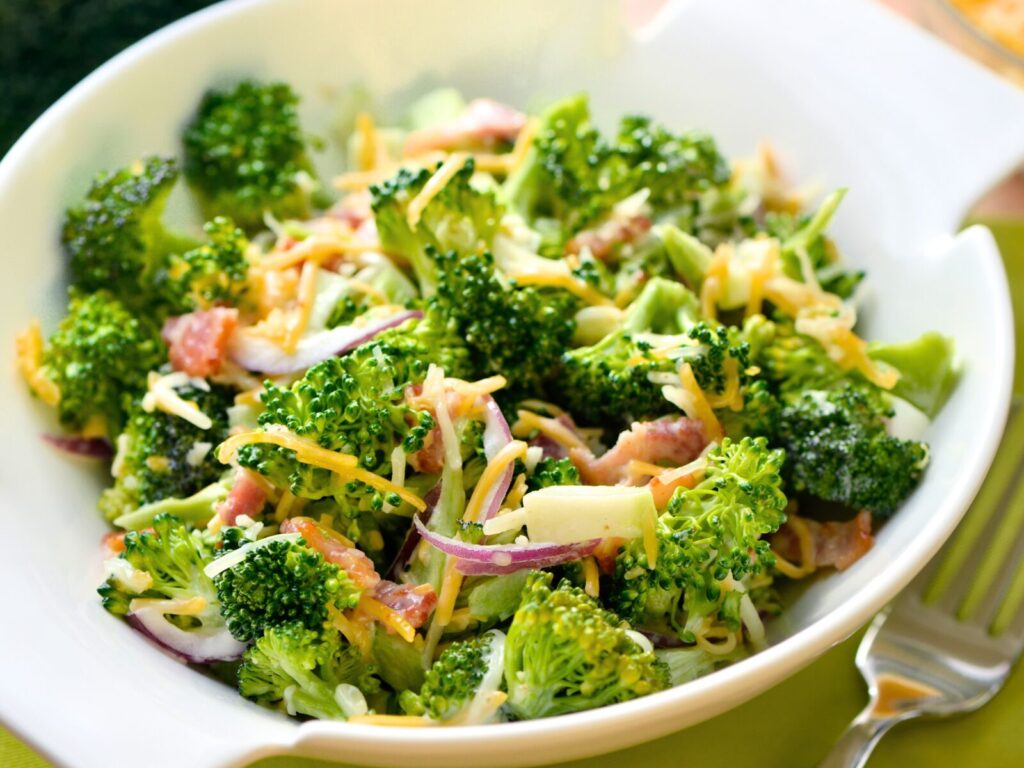
Broccoli is a a healthy high fiber vegetable that is inexpensive and cheap kitchen food to make any recipe.
It is packed with Vitamin C, Vitamin K, folate, potassium, and antioxidants like sulforaphane—the health benefits of which have been extensively researched.
Since broccoli is low in calories and net carbs, you can freely eat it in larger quantities while simultaneously increasing your daily fiber intake.
This vegetable contains 2.6 grams of fiber and 4.0 grams of carbs per 100 grams.
It also give you plant based protein that great for your everyday meal prep. You can make amazing healthy recipes with broccoli like easy to prepare by steaming, roasting, stir-frying, or adding to soups and salads.
7. Brussels Sprouts
Brussels sprouts are small vegetables that look like small, cute little cabbages. Since they are high in fiber but low in carbohydrates and deliver a surprising amount of nutrition.
For their high fiber they help you poop every day, support healthy digestion, also keeps you feeling full for a longer.
It has antioxidants that support overall health. and also contain other healthy nutrients such as vitamins C and K, folate, and manganese.
Wait, this is not enough here; they also contain natural plant compounds that contribute to a healthy, balanced diet.
Roasted Brussels sprouts recipe is one of the best ever high fiber side dish that pair well with many simple meals.
More: Healthy foods that debloat you instantly
8. Leafy Greens
Leafy greens such as spinach, kale, Swiss chard, collard greens, and romaine lettuce are healthy and the best vegetables to eat every day.
Eating green vegetables is perfect for your health because they contain high fiber and other beneficial nutrients.
Since leafy vegetables are very low in ‘net carbs,’ you can consume them in large quantities daily while also adding essential vitamins and minerals to your diet.
These healthy vegetables help to relieve constipation and improve your digestive health because of their high fiber content.
Their antioxidants help maintain healthy cells, while their high water content keeps the body refreshed and helps keep the stomach full.
Add these leafy green veggies to your meal to make salads, soups, smoothies, wraps, omelets, and stir-fries.
9. Asparagus
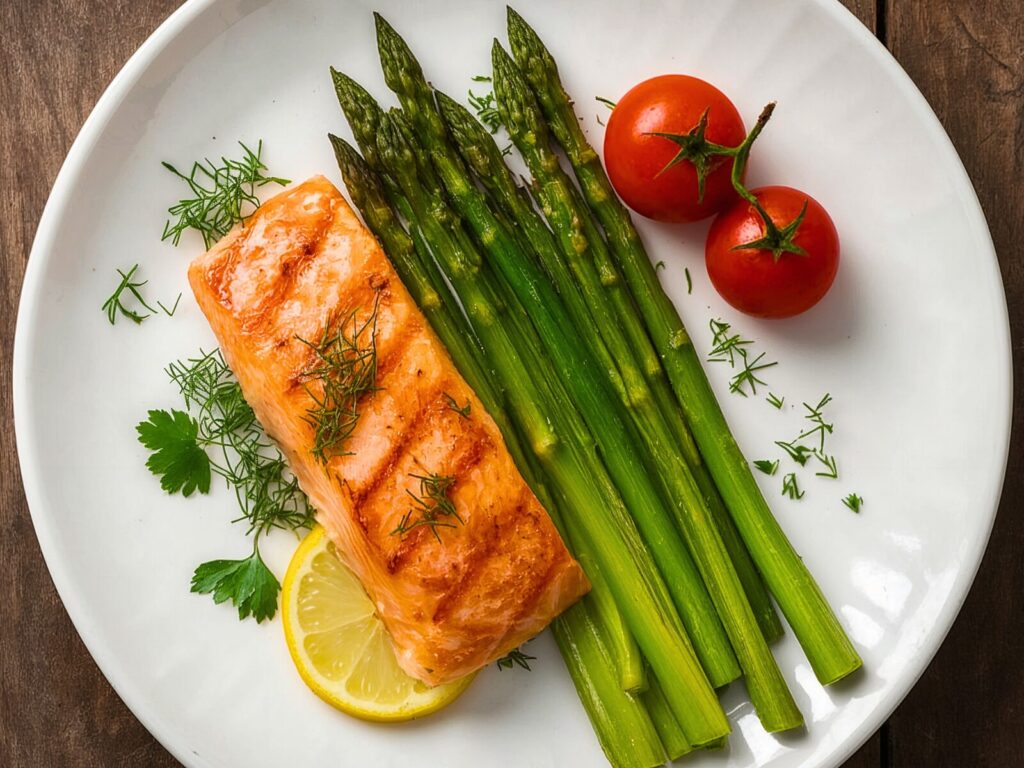
Asparagus is a healthy, light, and flavorful vegetable that produces a natural high fiber, low carb with other helpful nutrients.
A 1-cup serving of raw asparagus contains about 5 grams of total carbohydrates and 3 grams of dietary fiber (leaving about 2 grams of net carbs).
not only high in fiber, but also gives you folate, vitamin K, vitamin C, vitamin A, potassium, and antioxidants that support overall health.
Also, it contains a type of prebiotic fiber called ‘inulin’, which helps nourish beneficial gut bacteria.
This amazing asparagus veggie is a great meal when roasted, grilled, steamed, or added to pasta, salads, and omelets.
10. Artichokes
Artichokes are one of the high fiber low carb foods or vegetables you can eat.
The high fiber content maintains digestive health, ensures normal bowel movements, and nourishes beneficial gut bacteria.
If you want to increase fiber intake while keeping carbohydrate levels low, the artichoke is one of the most nutritious vegetables to include in your weekly meal plan.
They might look a bit strange at first glance, but they are quite easy to enjoy once cooked—whether steamed, roasted, or grilled, or mixed into salads and pasta.

Hi, I’m Priyanka! I am the owner of Pinch of Kitchen. I have been an author, content developer, and professional blogger for a few years. Pinch of Kitchen shares simple food tips, ingredient guides, high-protein meals, and budget-friendly recipes to help make everyday meals easier and more enjoyable.