
Magnesium is one of those nutrients your body needs every day, yet it is often overlooked when planning meals or diets. The good news, however, is that you do not need to completely change your diet to get more magnesium. Here you get amazing and best foods high in magnesium that make you feel full and better every day.
If you are looking for high magnesium foods, this guide will help you understand why magnesium matters for your body, what magnesium deficiency means, what can cause low magnesium levels, and how getting enough magnesium can support your everyday health.
Hypomagnesemia 101 – Magnesium rich foods that you can add to your meals every day
What Is Magnesium Deficiency?
Magnesium deficiency means your body does not have enough magnesium to carry out its normal functions, it is called Hypomagnesemia.
This deficiency can come from insufficient magnesium intake, poor absorption, or excessive loss of magnesium from the body. Even if you eat a healthy diet, your body may not be receiving enough magnesium.
A mild magnesium deficiency may not always be easily detected. Therefore, rather than relying on a single food item, it is advisable to focus on maintain magnesium through a varied diet.
Magnesium is an essential mineral that the body uses for various important functions. It supports the proper functioning of muscles and nerves and plays a role in energy production, blood sugar regulation, bone health, and heart function.
If you suspect you might have a magnesium deficiency, you can consult a healthcare professional; they can help determine whether tests or other measures are necessary. Or worried that you are not taking enough magnesium in your diet, you can check out this list of 15 magnesium-rich foods that will help you feel healthy.
What Are the Causes of Magnesium Deficiency?
Several factors can contribute to a drop in magnesium levels in the body. Common causes include:
- Low magnesium intake from food
- Lack of diet variety
- Poor nutrient absorption
- Digestive conditions that affect absorption
- Long-term diarrhea
- Heavy alcohol use
- Certain medicines
- Some kidney conditions
- Increased magnesium needs
- Long-term health conditions that affect magnesium balance
Signs and Symptoms of Magnesium Deficiency
A magnesium deficiency in the body can affect various parts of the body. Its potential signs and symptoms include:
- Muscle cramps
- Muscle weakness
- Muscle twitches
- Tiredness
- Low appetite
- Nausea
- Vomiting
- Changes in heart rhythm
- Numbness or tingling
- Feeling weak or unusually tired
There can be many reasons behind these symptoms; therefore, the appearance of any one of them does not definitively indicate a magnesium deficiency or low in magnesium. If the symptoms persist or cause you concern, it is a good idea to consult a healthcare professional.
Suggested: Best Foods High in Iron
Health Benefits of Magnesium
Eating enough magnesium through your diet can support several vital body functions. You do not need to complicate your meals or cooking methods to achieve this; simply eating a variety of magnesium-rich foods throughout the day helps you to get this mineral naturally.
a) Supports Muscle and Nerve Function: Magnesium helps your muscles and nerves work properly. The body requires magnesium for the normal contraction and relaxation of muscles. Also, your nervous system uses it to transmit signals throughout the body.
An easy way to meet your daily magnesium requirement is to include magnesium-rich foods in your diet. Foods such as seeds, nuts, legumes (beans), whole grains, and green leafy vegetables can easily be added into your regular diet.
b) Promotes Bone Health: Magnesium plays an important role in maintaining your bone health. It works perfectly with other nutrients that help maintain bone structure and the balance of mineral.
c) Improves Sleep Quality: Not only does it support normal nerve and muscle function, but it also plays a role in processes connected with sleep. A balanced diet rich in magnesium can help with healthy sleep habits. Instead of relying on a single specific food before bedtime, focus on ensuring regular, healthy sources of magnesium through various meals and snacks throughout the day.
d) Regulates Blood Sugar: Magnesium plays a role in how your body uses glucose and insulin; therefore, eating sufficient amounts of magnesium is essential for the normal metabolism of blood sugar.
e) Supports Heart Health: Magnesium helps maintain the normal functioning of heart muscles and plays a role in keeping the heart rhythm and blood pressure normal.
Now, take a look which foods are high in magnesium to add on your daily life.
1. Seeds
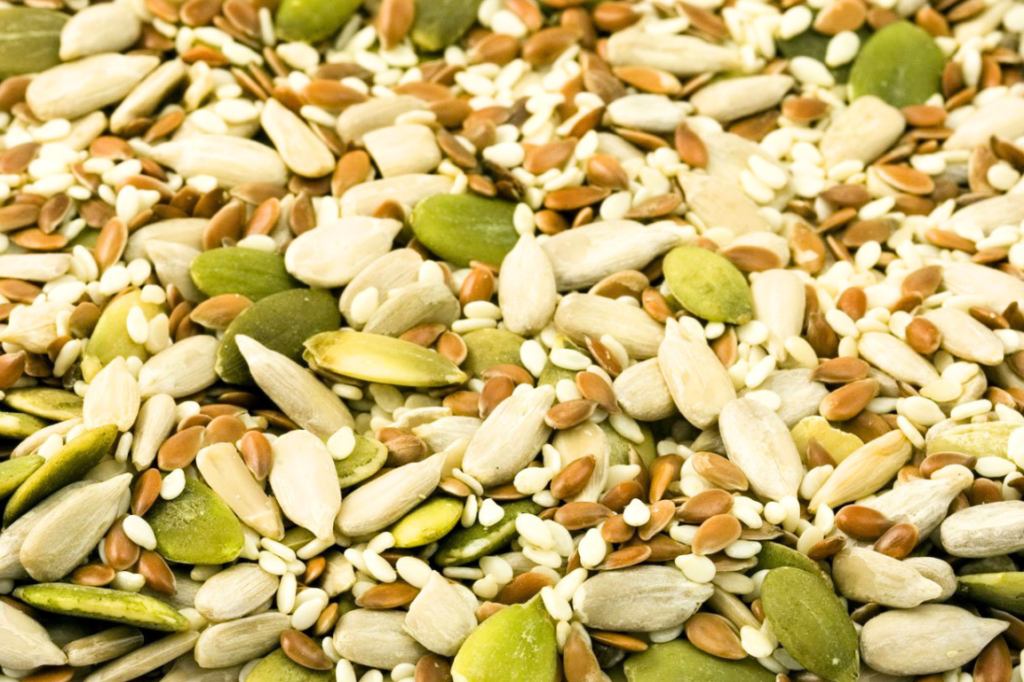
A simple way to add sufficient magnesium into your diet without making drastic changes is by eating various types of seeds. Pumpkin seeds, chia seeds, flaxseeds, and sesame seeds are particularly useful choices for you. They also contain healthy fats, protein, and fiber, making them nutrient-packed, bite-sized foods.
You can sprinkle these healthy seeds over oatmeal, yogurt, salads, soups, or smoothies. Pumpkin seeds make an easy snack for evening break, afternoon cravings, or work on the go, while chia and flaxseeds can be mixed into breakfast foods in many ways.
2. Edamame
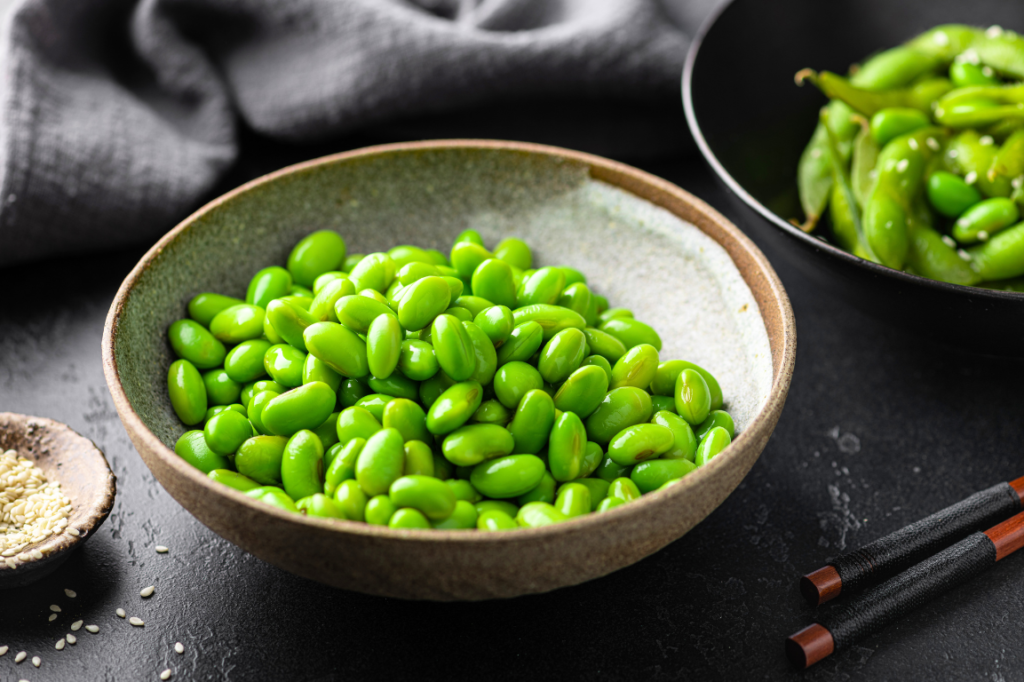
Edamame, also known as young soybeans, is a delicious plant-based food that provides magnesium with high in protein and fiber that works well for gut health.
If you are looking for a food that keeps you full and is also easy to prepare, edamame can be an excellent choice for meal prep. With its combination of protein, fiber, and minerals, edamame makes for a nutritious addition to your daily diet.
You can enjoy steamed edamame as a snack, add it to rice bowls, salads, stir-fries, or grain bowls, or simply season it with a little salt and your favorite herbs.
3. Nuts
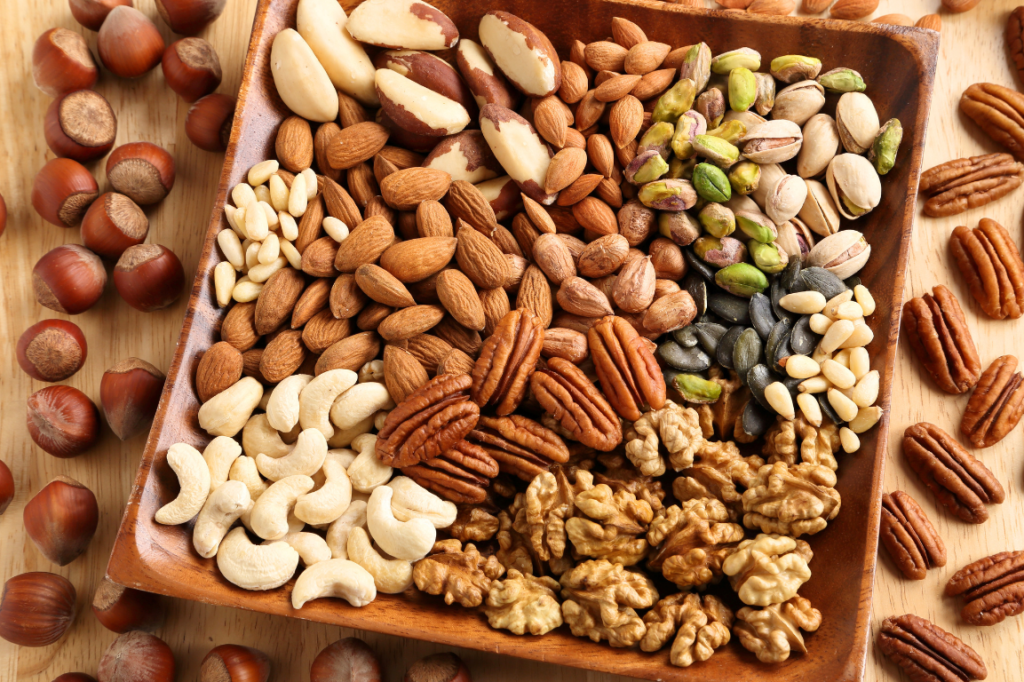
Nuts are another quick and healthy magnesium-rich food that can easily be added to your daily diet. Almonds, cashews, peanuts, and other nuts gives your healthy fats, protein, and other essential nutrients with magnesium.
I love eating as evening snacks, or latenight snacks and afternoon break when i crave for, also I love to add them on my breakfast smoothie, sometimes breakfast bowls, even for lunch meal prep like salads.
4. Leafy Greens
We all know eating leafy vegetables is so important for our health in our daily lives. Leafy greens such as Spinach, Swiss chard, kale, and other dark green leafy vegetables can provide your body with magnesium with plenty of vitamins, minerals, fiber, and plant-based nutrients.
Adding them by mixing spinach into eggs, adding kale to soups, using greens in salads, or stirring cooked greens into rice and grain dishes.
If you are new to the habit of eating vegetables or if you don’t like eating greens at all, starting with small amounts and mixing them with your favorite foods can make it much easier to build the habit.
5. Legumes
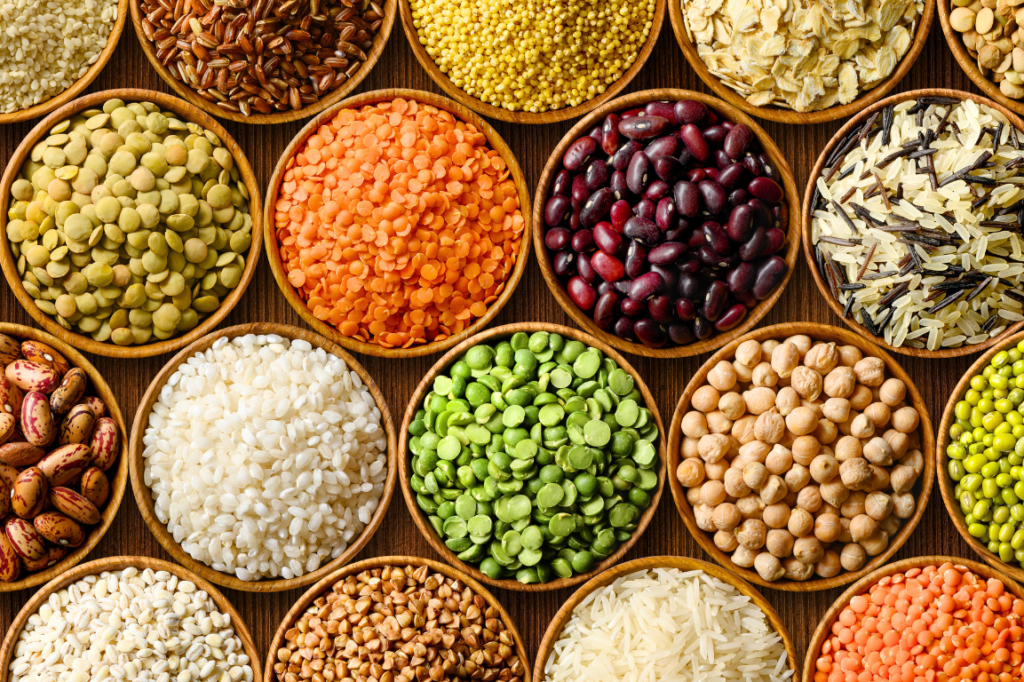
Beans, lentils, chickpeas, and other legumes are amazing sources of magnesium; they also provide plenty plant-based protein and fiber. They help keep you full, are affordable, and are versatile, making any healthy meal prep recipes with it for lunch or dinner.
You can add beans to soups, chili, salads, wraps, rice dishes, and grain bowls. Lentils work well in soups and curries, while chickpeas can be added to salads or blended into hummus.
6. Whole Grains
Compared to refined grains, whole grains contain more of the grain’s natural nutrients, making them an important part of a balanced diet. Foods such as oats, brown rice, whole wheat bread, barley, and bulgur provide fiber and other nutrients in addition to magnesium.
7. Tofu
Tofu is made from soybeans and is a good source of magnesium, especially for those who prefer plant-based foods. It also contains protein and can absorb the flavors of seasonings and spices during cooking.
You can add tofu to stir-fries, soups, curries, salads, rice bowls, and noodle dishes. Whether baked, pan-fried, or cooked with a delicious sauce, it can serve as a simple and amazing and healthy source of protein for lunch or dinner.
8. Quinoa
Quinoa is a whole grain-like seed and one of the best high fiber foods for gut health. Also, it gives you magnesium, protein, and other nutrients. It is a healthy and easy option if you want to make a meal more satisfying and nutritious.
You can eat quinoa in many ways; check out these amazing high protein quinoa recipes for busy days. Like you can prepare quinoa bowls, salads, soups, or mix it with roasted vegetables for a healthy, busy lunch or dinner for your whole family.
9. Dark Chocolate

Dark chocolate can be a good source of magnesium, especially varieties with a high cocoa content. It also contains beneficial plant-based compounds known as flavanols. Since chocolate can contain added sugar and calories, eating it in moderation is a simple way to enjoy it while maintaining a balanced diet.
10. Avocado
The avocado is a healthy high fiber fruit that is an amazing smooth or creamy texture that provides magnesium, as well as healthy fats, fiber, potassium, and other nutrients. Due to its soft texture, it can easily be added to meals without any special preparation.
You can spread avocado on your whole-grain toast; also, you can add it to salads, grain bowls, sandwiches, or wraps, or enjoy it with eggs. You can prepare avocado smoothies wonderfully creamy or thick without the need for many extra ingredients for a busy breakfast.
11. Cultured Yogurt

Cultured Yogurt is a healthy probiotic food that provides magnesium, protein, calcium, and other nutrients. The beneficial bacteria or ‘live cultures’ found in yogurt (depending on the product type) help maintain digestive health and support a balanced diet. Also, it is an amazing fermented food that helps your gut heath.
You can enjoy yogurt with berries, bananas, nuts, or seeds for a simple breakfast or snack. Adding magnesium-rich toppings such as chia seeds, pumpkin seeds, or almonds can make a yogurt bowl that is perfect for brunch or breakfast or snacks on the go.
12. Salmon

Salmon is best known for its protein and omega-3 fats, but it also contains magnesium along with various other vitamins and minerals. Including salmon in your diet allows you to obtain a wide range of nutrients from a single food source.
You can serve baked or grilled salmon with vegetables, quinoa, brown rice, avocado, or roasted vegetables.
13. Bananas
Bananas are a high fiber foods for constipation and is easy to store and provide potassium, carbohydrates, and magnesium. Their natural sweetness makes them suitable for breakfast, snacks, and simple desserts.
14. Peanut Butter
Peanut butter is a healthy kitchen ingredient that I love so much and provides magnesium in addition to protein and healthy fats. It is a food that requires virtually no preparation, making it extremely convenient for a quick snack or breakfast. Spread peanut butter over whole-grain toast, mix it into oatmeal, add it to a smoothie, or pair it with banana or apple slices.
15. Low-Fat Milk
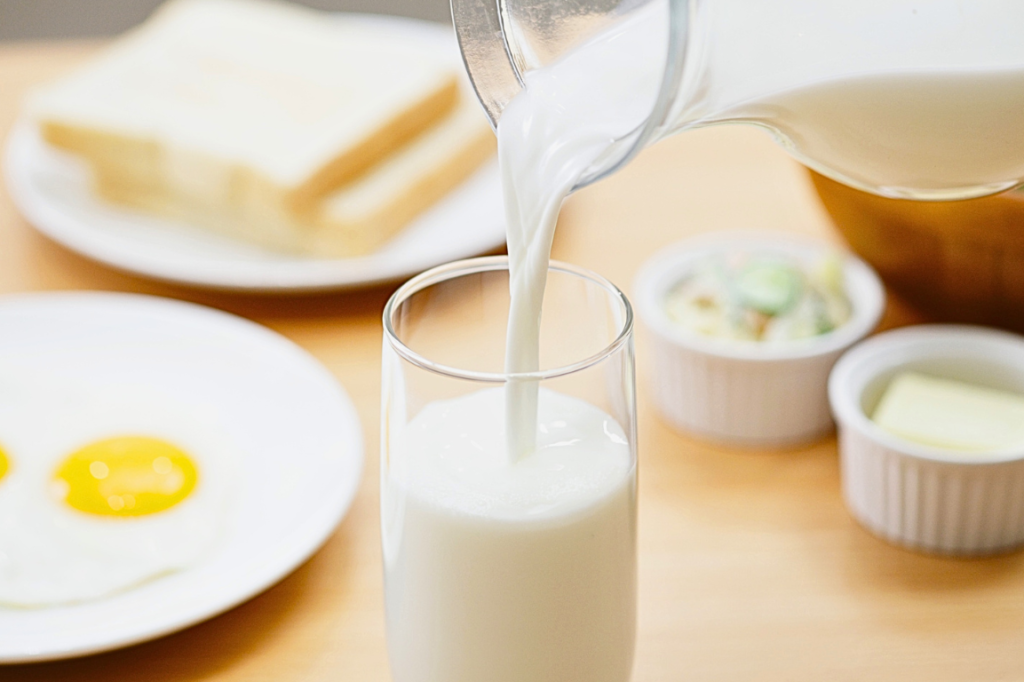
Low-fat milk contains magnesium, alongside protein, calcium, potassium, and other nutrients. For those who already enjoy drinking milk and wish to add more nutritious foods into their daily diet, this can be a simple and good choice.
You can drink it with breakfast, mix it into oatmeal or smoothies, or use it in homemade soups and other dishes. Combining this milk with whole grains, bananas, nuts, or various seeds makes for an excellent, simple, and nutritious breakfast or snack.

Hi, I’m Priyanka! I am the owner of Pinch of Kitchen. I have been an author, content developer, and professional blogger for a few years. Pinch of Kitchen shares simple food tips, ingredient guides, high-protein meals, and budget-friendly recipes to help make everyday meals easier and more enjoyable.